Literary Submission: Excerpt from “Faces in Spaces” by Rachel Sita
I’ve been staring out this window to my backyard for too long, past my knees propped up lazily on my bed. A large oak tree abundant with leaves obstructs the view of houses beyond it. It’s September, so a slight breeze flutters the foliage and sways the branches. I’ve been staring at this particular spot deep in the center right of the tree. The lines dividing the individual leaves have softened into a furry blur. A lower section of this fuzzy cluster of leaves detaches and reattaches itself to the top section as the branch connected to these leaves moves up and down with the wind. I’ve been staring for so long I see two dark gaps in the leaves emerge as eyes. The gash created by the opening and closing of the two sections of leaves forms a mouth. A mouth chewing. Chewing on air.
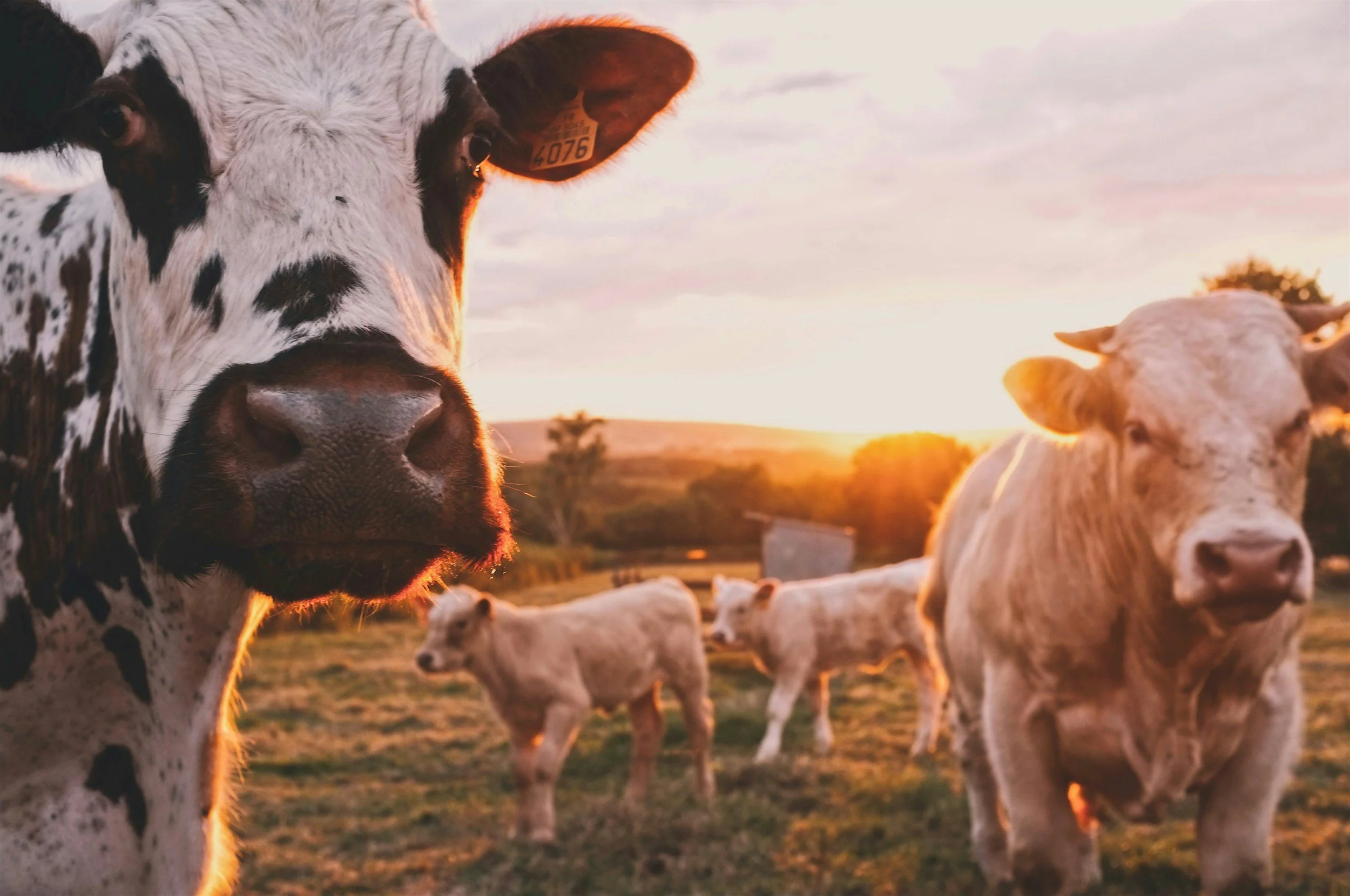
This face, this whole head, kinda looks like a cow, doesn’t it? It even has a little bell hanging off its neck formed by a few dead and broken branches still clinging onto the living tree. The cow seems happy up there. Constantly munching on as much air as it can eat. Its skin cooled by the wind bristling through its verdant fur. Serenity imbued by the joy of its high perch to observe other curious onlookers and friends, such as myself. Is it just as glad as I am to see its face gleam with morning sunlight?
It’s September though. Fall is coming. I wonder if the cow knows what’ll happen to the leaves soon? The cow will mature all the while unsuspecting it. In its prime age, the cow’s fur will shine brilliant shades of orange and crimson. The air will smell like ripened vegetation, holding a crispness to it due to the ever sharpening wind. The cow will experience the great treat of biting into this crispness, tasting the crops of Autumn: apples, spice, hay bales. But just as
soon as the cow reaches this prime of its life, its age will begin to show. Its fur will lose its luster, become brittle and brown, and fall off in clumps to the ground below. The cow won’t be able to get its necessary helping of air without a substantial jaw of leaves to allow it to eat. Its eyes will disappear as the darker gaps of leaves within the tree will similarly fall away. The cow will pass away, return to the earth at the base of the tree that once gave it life. The snow that will arrive in the winter and wrap the ground in a thick quilt will act as the cow’s burial shroud.
On the surface, this scene appears tragic. The way that seeing faces in all objects could mean their disappearance, and therefore their death. I’ll stare out the window from then on, as I’ve always done. I’ll be able to see my neighbors’ houses through the bare branches of the tree. Through these branches that hold the cow’s hollow skeletal structure. The hazy yellow light in the windows of these houses will stare back back at me, sending off feelings of sympathy and longing to me as they notice that they are not the eyes I wish to see when I look out my window. These eyes are too static, too manufactured. They can only harbor enough sympathy for me as the neighbors they house whom I’ve never really met. Only just passing glances and shallow greetings. I’ll miss my cow friend when the thick of Autumn does come and I watch it decay as the months progress.
Though just as quickly as the cow is gone, Spring will arrive. Buds will sprout on these bare branches. Tiny, embryonic cells growing and multiplying. Expanding until the hints of a face appear once again. This will not be the same cow as before. I know that the other one has completed its life and passed away. But it’s the death of one that provided nutrients on the ground to support the tree in the birth of a new cow. A new, friendly, yet familiar face to greet me outside my window.
Really this is the beauty of seeing faces in objects all around us. While it may seem desperate and lonely to seek out a face instead of strictly living people, the fact is most of us do it. Whether these faces be a charming cow or in the taillights of a car, we see them. We assign these attributes, these lives, and experiences to them because we notice their individual characteristics within the expressions they wear and the positions they’re placed in. This is not lonely. You can never be alone when you pick out a face amidst a blur of shifting shapes, since there’s something so innately human in doing so. Other people seeing them wills them into existence, filling the voids of the world with expression and a presence to make every space less lonely. You are constantly surrounded by the creatures of our imaginations.