
VOLUME 40: MIRRORS
Cover Art by SHAE MEYER, ARHS2025 PRIZE WINNERS
-
![]()
POETRY PRIZE
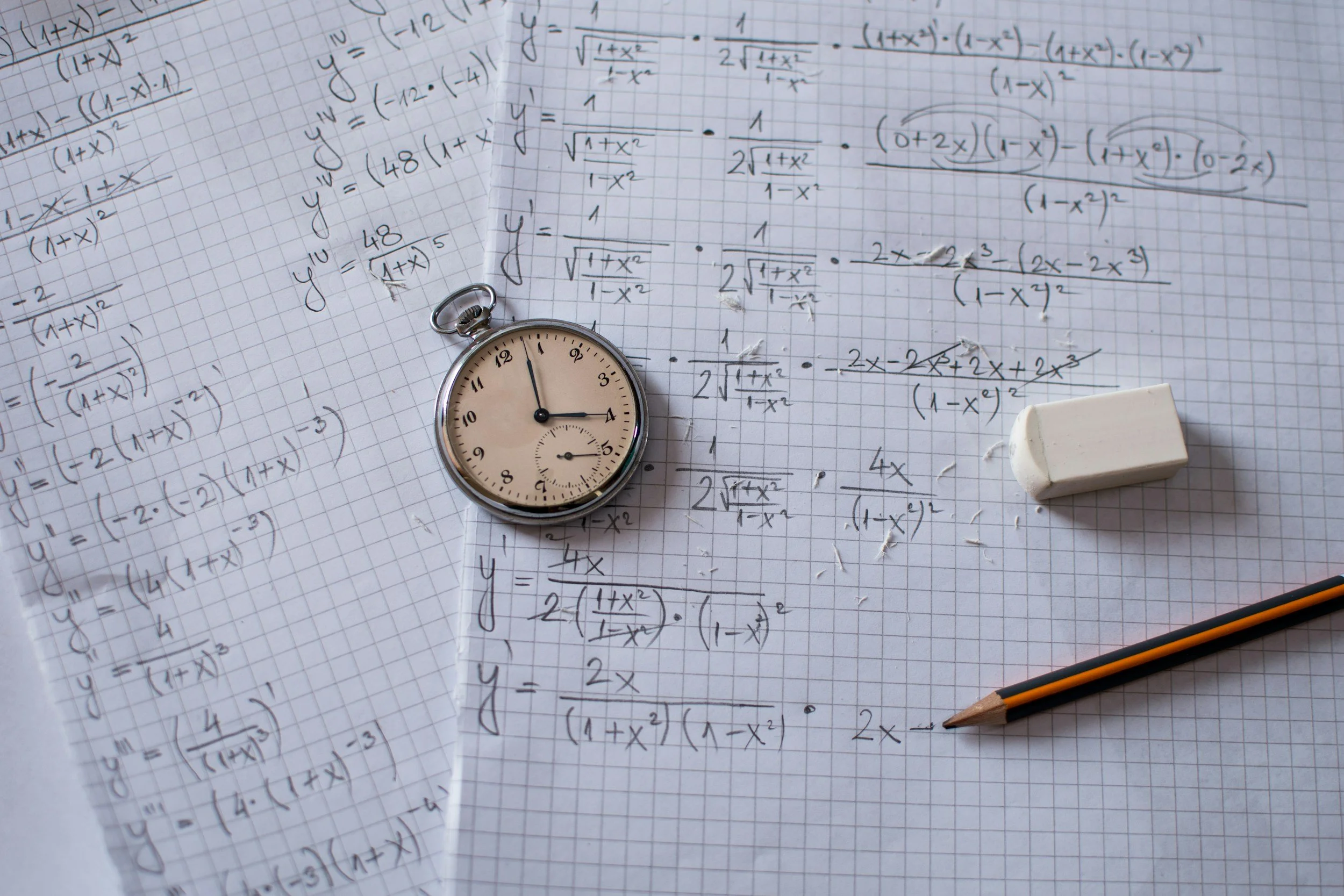
Ismail Yusuf Olumoh’s “the arithmetic of the people tested by the man of their ton(gu)e”
The poet’s experimental and dynamic form presents the history of a people as an eloquent equation with unsatisfactory answers that begs to know how, like the rules of mathematics, war and strife can persist. – Jalisa Orellana, Poetry Editor
-
![]()
FICTION PRIZE
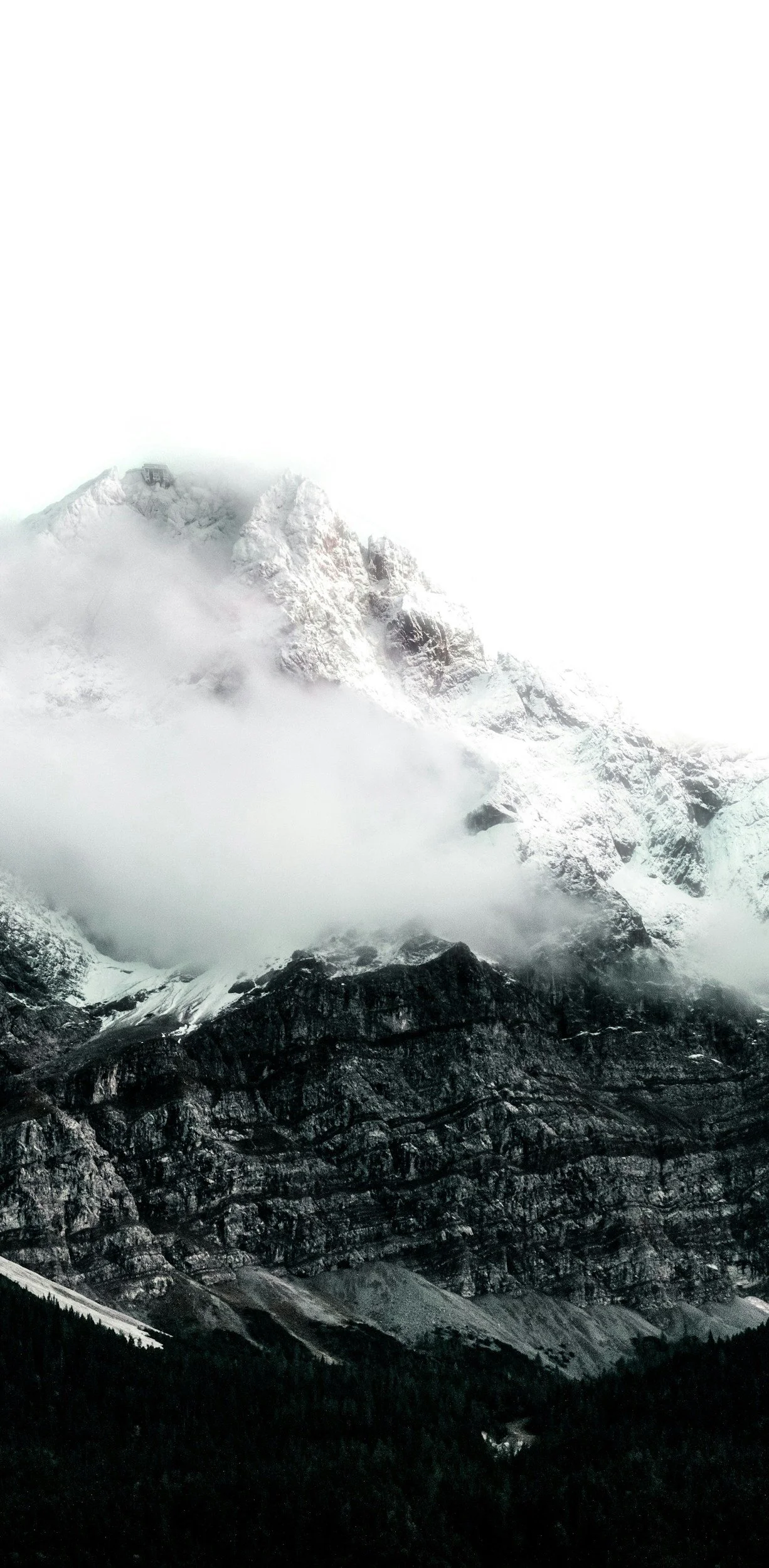
Mika Seifert’s “Avalanche”
Effortlessly weaving speculative with the real, “Avalanche” invites questions about the nature of morality declining, as so much great art does, to give a definitive answer. Juxtaposing such absolutism with the subjective nature of Nietzschean morality leaves the reader grappling with the contradiction, and the resulting melee elevates this piece to true art. – John Walker Peters, Fiction Editor
-
![]()
NONFICTION PRIZE
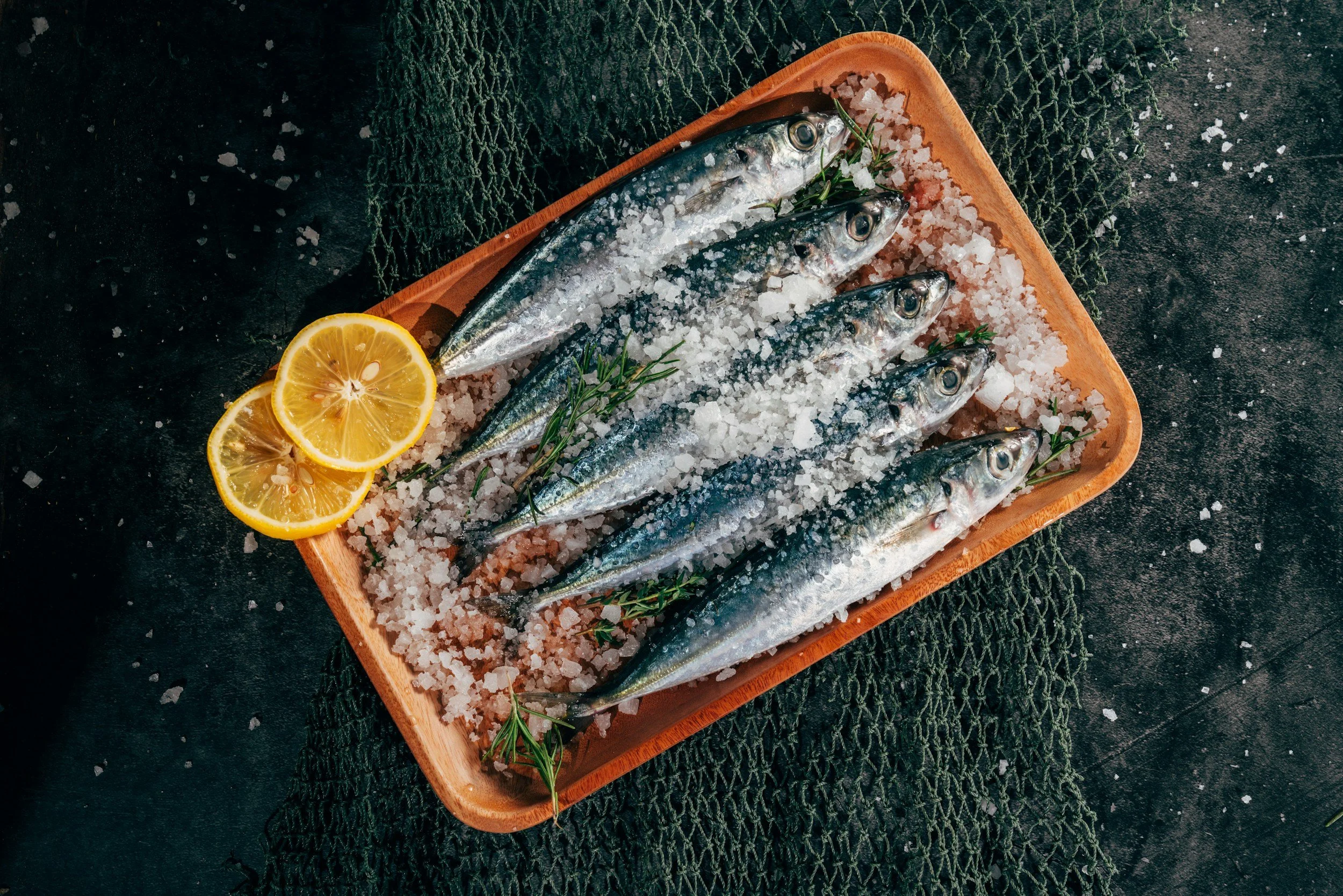
Kristin Idaszak’s “Fantastic World of Sardines”
The author artfully juxtaposes the mundane yet beautiful existence of preserved fish with her own life-saving medical device, weaving a narrative that finds beauty in overlooked objects, much like the can of sardines itself – once utilitarian, now emblematic of resilience and connection across time and cultures. – Anna Morcerf, Nonfiction Editor
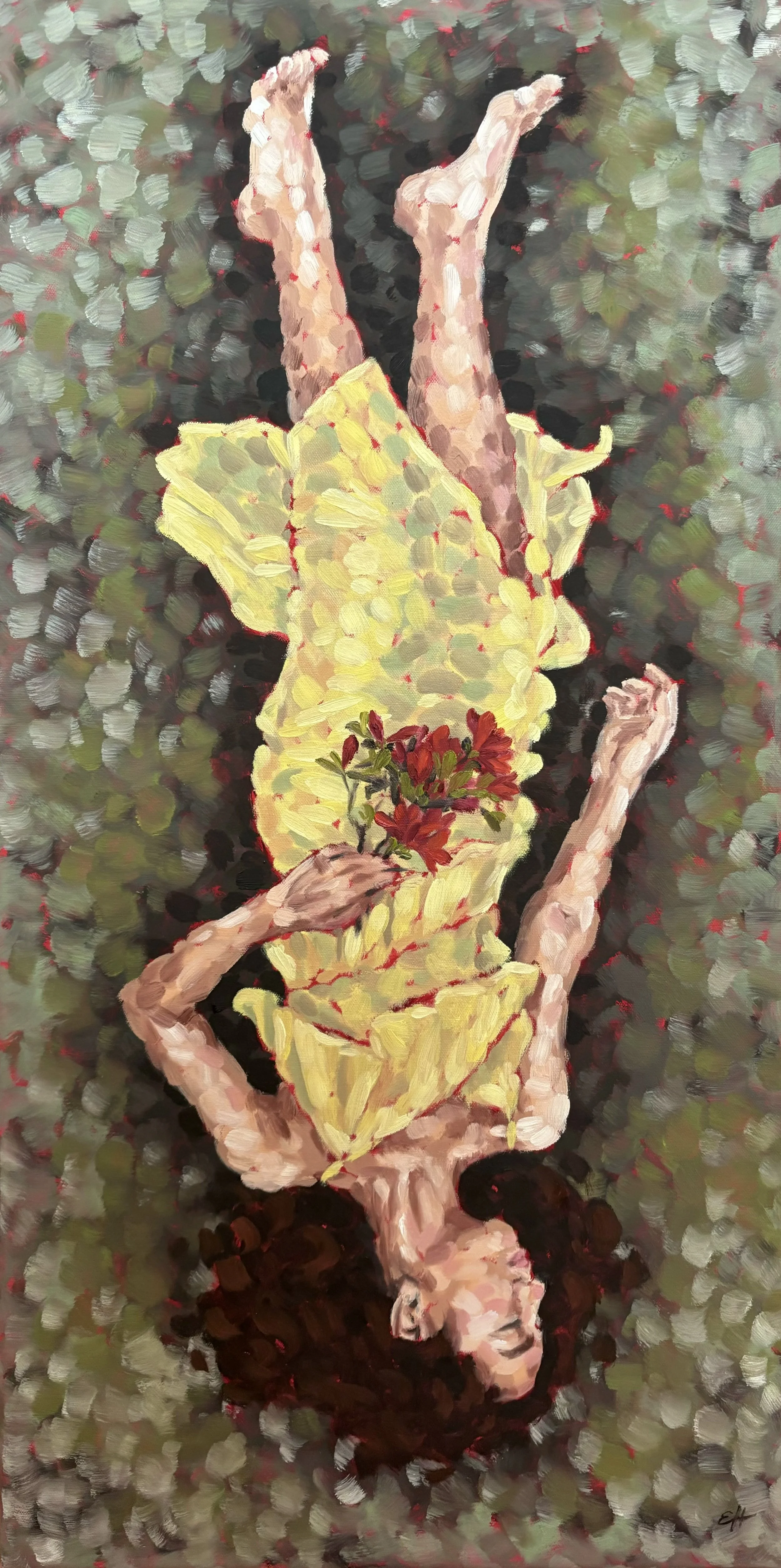
ART PRIZE: Eliza Henne’s
“Self-portrait as Bloom/Bleed”
Combining harmonious colors with impasto brushstrokes, Henne’s oil painting presents a stunning portrait that simultaneously displays feminine beauty with the not-so-hidden anguish of fertility to create a perceptive vision: a woman in her entirety. – Chloe Onorato, Editor-in-Chief
NOTE FROM THE EDITOR
Dear Reader,
Early last October, FOLIO invited you to peer into Nietzsche’s void and report what you see. We have now amassed a great collection of submissions from those who probed its depths and returned with wide and bright eyes. This FOLIO edition, “Mirrors,” showcases what those viewers saw.
Some writers saw reflections of society. Strains of history around the globe were captured in sharp, sparkling poems and stories in which people and places are frozen in time, for better or worse. Wars endure without end, skyscrapers grow taller and brighter, and beach towns and prairies retain their peace and quiet. Technology reflects on itself to progress at breakneck speed, nonperishables remain uncannily static, and furniture is a staple no matter where it’s needed. Islands and mountains continue their half-sunken and half-risen existence. The wisdom of therapists and children is still the most honest reflection. Guns galvanize action, and cats are sacred. In gazing we see how much time has passed and how fossilized our existence has become.
Other writers found themselves mirrored in relatives. Mother and fathers feature prominently. A reflective surface is unnecessary to see your joie de vivre in your father’s smile, to justify your rage as also your sister’s, to brave surviving because your brother is there beside you, to remember to eat and sleep because of your mother’s furrowed brow. Pets, too, become altered reflections, from vigilant felines and cautious dogs to jiving goldfish. At times, the distinction between animal and anthropoid is a hazy reflection.
Yet most writers discovered reflections of themselves – in a pool, a car window, an equation, a fruit, a bookshelf, in prayers, in robots, in rivers, a work of art, in dreams. Sometimes a less ominous abyss, an unknown depth or facet of ourselves catches the light, glimmers in our eye, and we cannot help but follow to see what the origin of the radiance is. Imagine our surprise when a familiar face gazes back. Our own, and so much more.
Mirrors are the ultimate test of truth. This issue celebrates what it means to see yourself in others and the world in you. We hope our readers see familiar images reflected back in the careful, quirky, heartbreaking, soul-searching, and breathtaking art, which is as Shakespeare said, a mirror held up to nature.
My special thanks to the staff of FOLIO and its faculty advisors for their endless support and enthusiasm. If not for their hours, weeks, and months of labor, this issue would not be the same.
Thank you for reading,
Chloe Onorato, Editor-in-Chief
NONFICTION
-
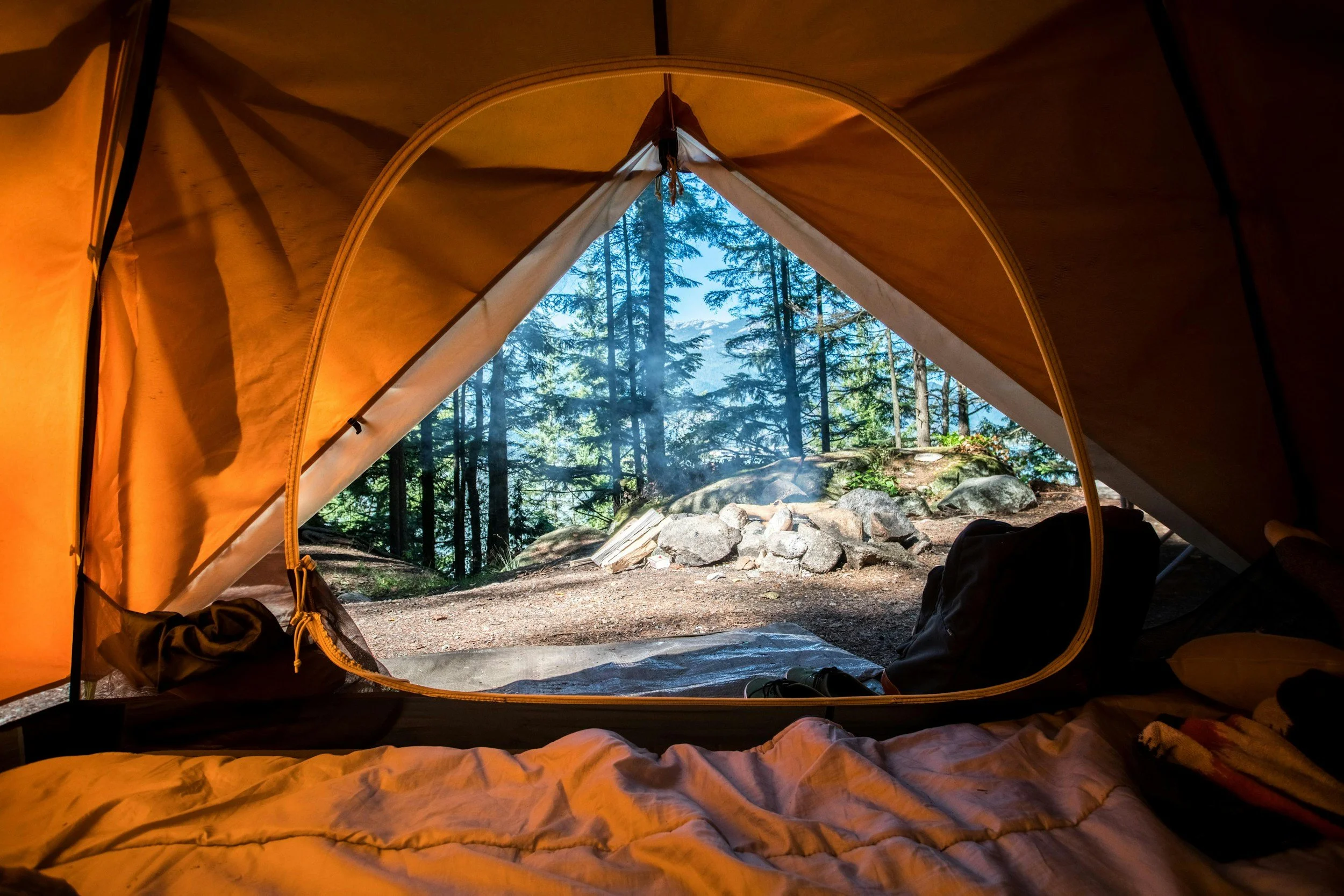
andrea lianne grabowski's "bayside wilderness inn and campground"
sacred hush. the doors just open. lucky. any belief in danger mostly gone, siphoned away by twenty minutes of barelegged inspection & a shiny car pulling through the driveway to turn around, dismissing the need for my prepared good girl speech with a disinterested wave. no audio-video surveillance. not really. just dirty windows. just awe. all the broken mirror glass.
-
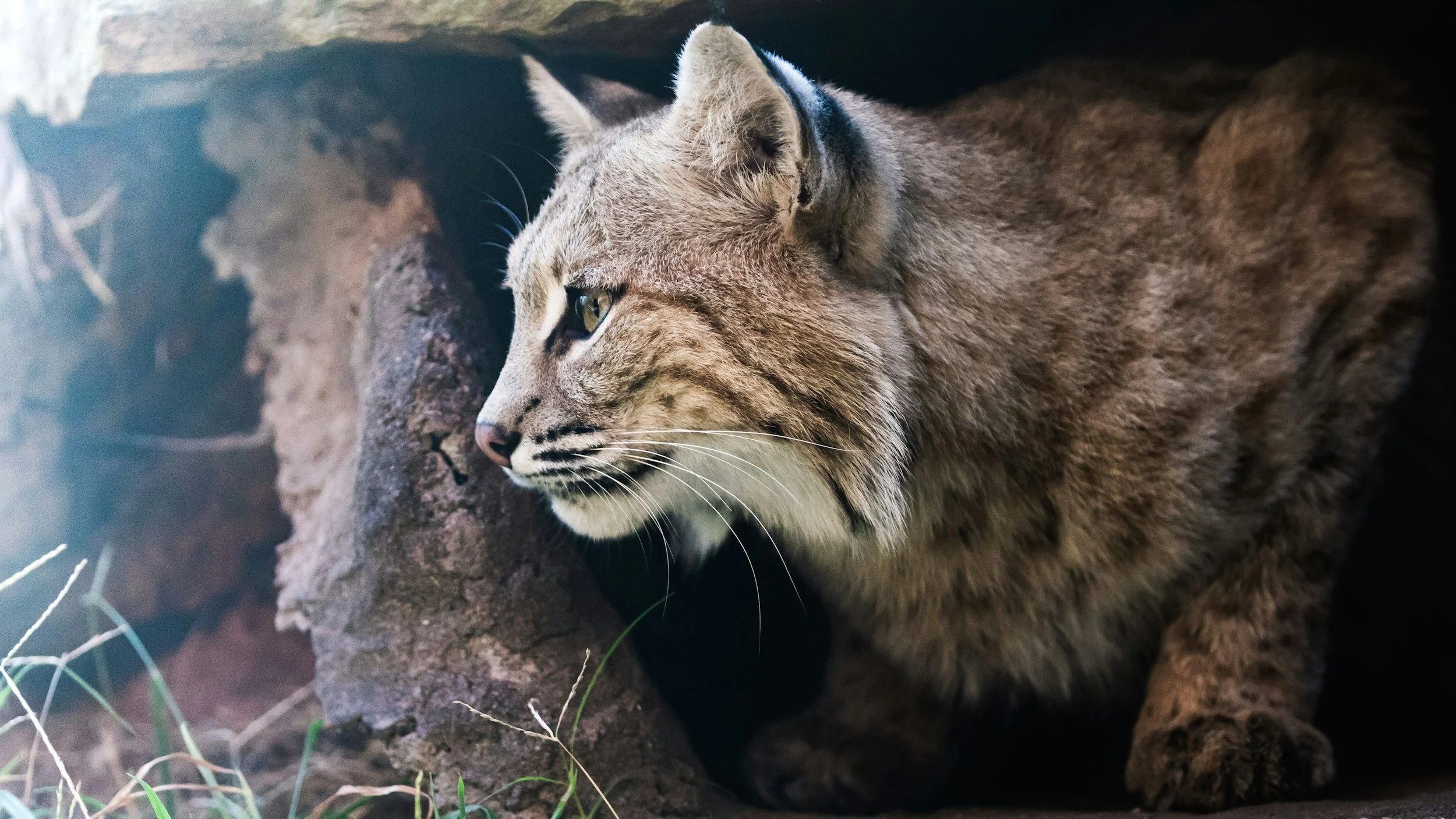
Morgan Harlow's "I Thought There Was a Bobcat"
January 15: I dreamed an animal wanted to get out of the house, standing by the living room sliding glass door. I let it out, and after some hesitation, it was able to safely jump to the ground and hurry away. Another animal, a larger pig, was there also. It very intelligently turned around and held to the side of the porch floor and let itself down feet first.
-
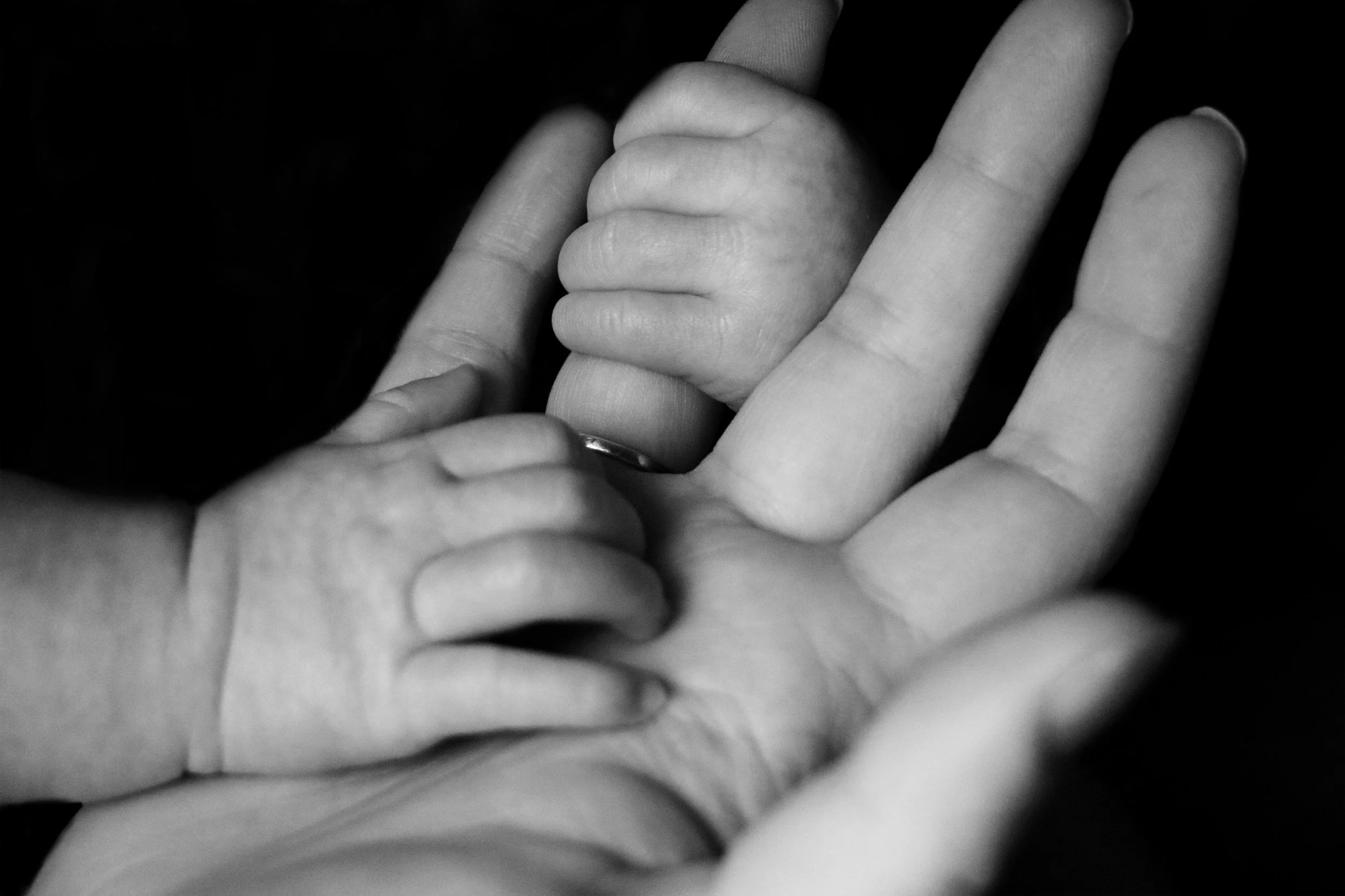
Rowan Tate "(s)mothering"
I was supposed to be a boy. My mother didn’t do an anatomy ultrasound because she was so sure, God had revealed it in a dream. After eight hours of labor, the doctors said It’s a girl. In all my baby pictures, I am wearing blue.
-
Ilan Mochari's "My GIrlfriend Asked"
If I owned a gun while I was washing dishes at the sink. You might’ve asked too if on your boyfriend’s kitchen shelf beside The Audubon Society Field Guide to North American Birds you saw a paperback called Guns, which traced gunpowder to a 13th-century monk, catalogued the flared muzzle of the blunderbuss, illustrated Colt’s rotating cylinder, and hallowed the birth of 9mm cartridges and canonical assault rifles.
-
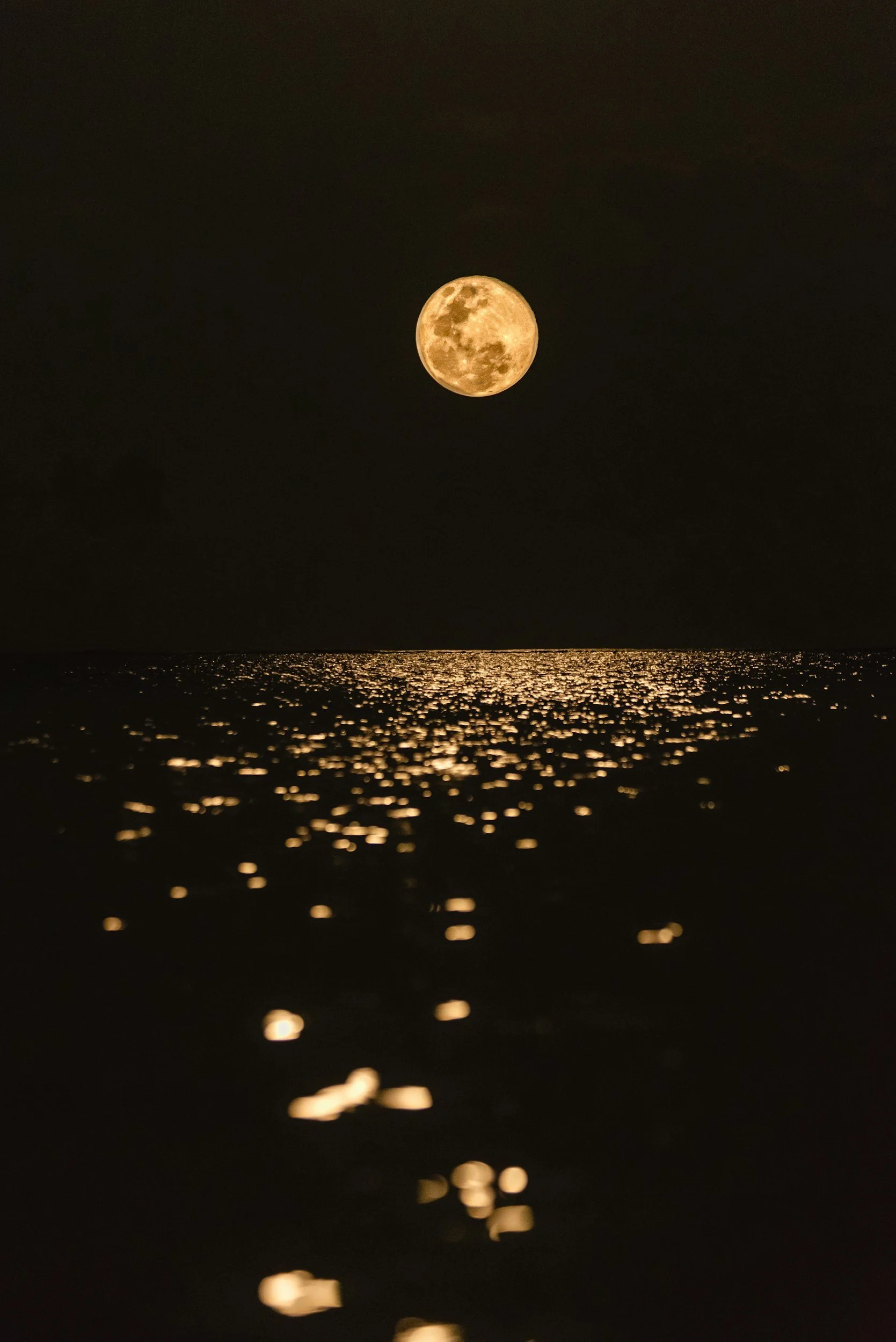
Gray Fuller's "La Luna e La Birra"
It was very dark when Stefano and I finally stumbled up the hill and fell upon the benches in front of the house to take out all of the sharp seed heads of all sorts of grasses from the crooks of our jeans, webbing of our socks, and crevices of our boots.
-
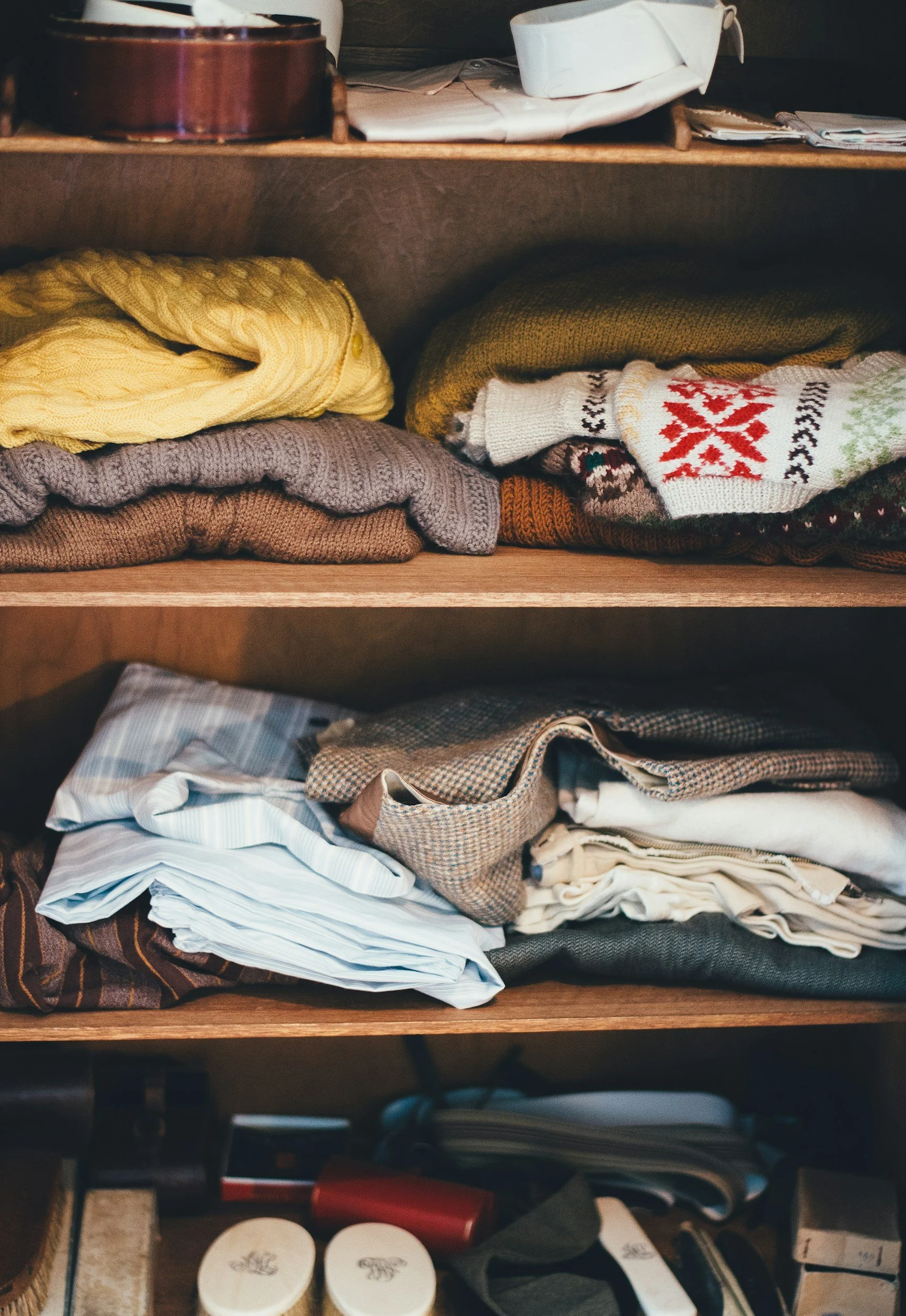
Merridawn Duckler's "On Being Well Dressed"
When there’s nowhere else to turn I open the closet. I face my suits, my length and shortness each an adjustment in proportion, flamboyance, reserve. Separates pile up all around me, what people see is the product of my previous doing and current undoing. I own the power to discard, though naked truth is not an option. My history is in there and a history of men and women dressing before me. I consider every tag.
-
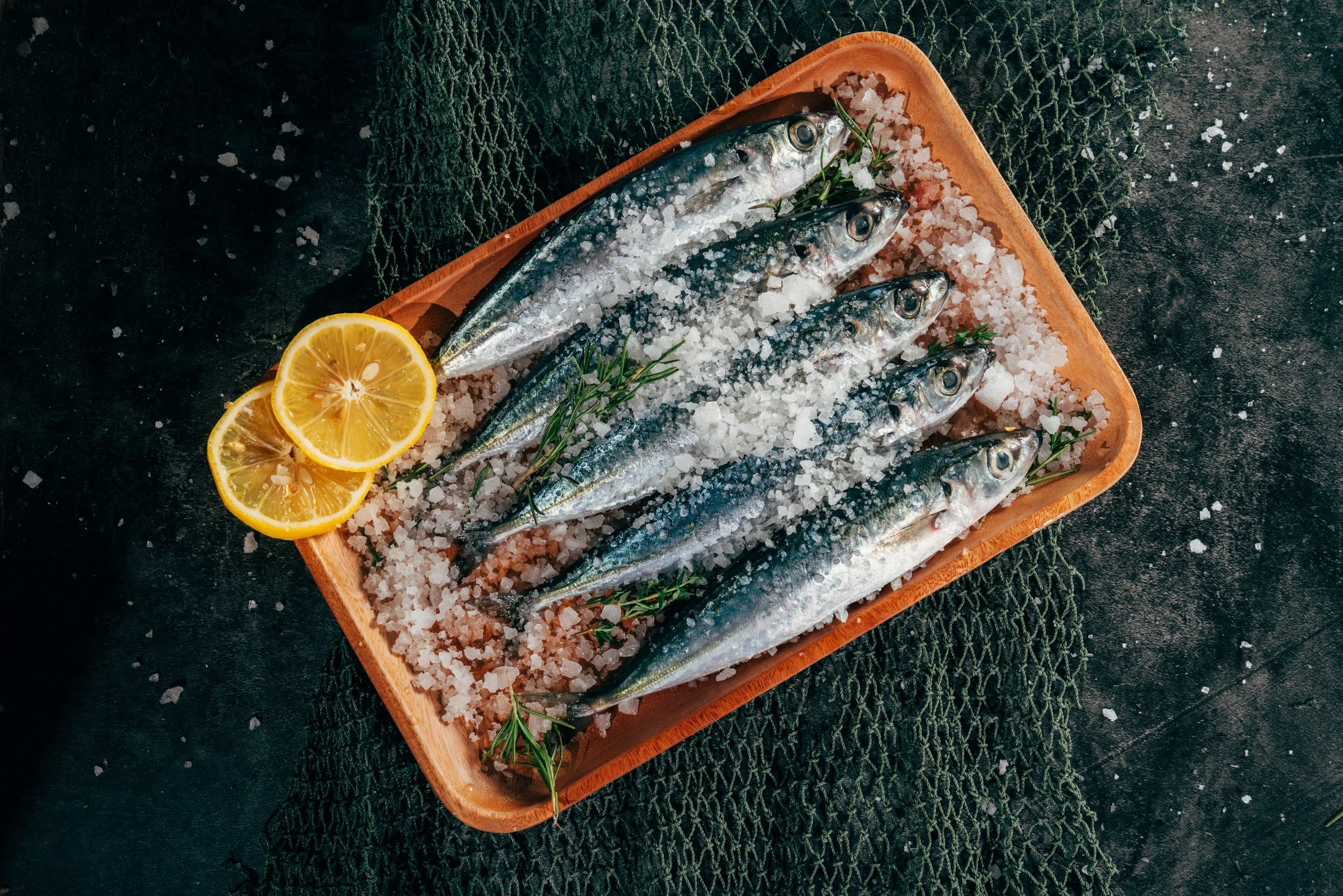
Kristin Idaszak's "Fantastic World of Sardines"
When I first ordered sardines, I was unprepared for the ichthyomorphic jenga tower that arrived on my plate. I was at a café in Sintra, a medieval Portuguese city nestled into a hillside. Tuk-tuks sputtered past my table perched precariously at the edge of the town square. The waitress maneuvered her way along the sidewalk to deliver my lunch.
POETRY
-
Kelly Talbot's "Gemini Germination"
Pendular praxis
echoplasmic ethos
who I was, am, will be
archaeologic, astrologic
effervestibules, efferventricles -
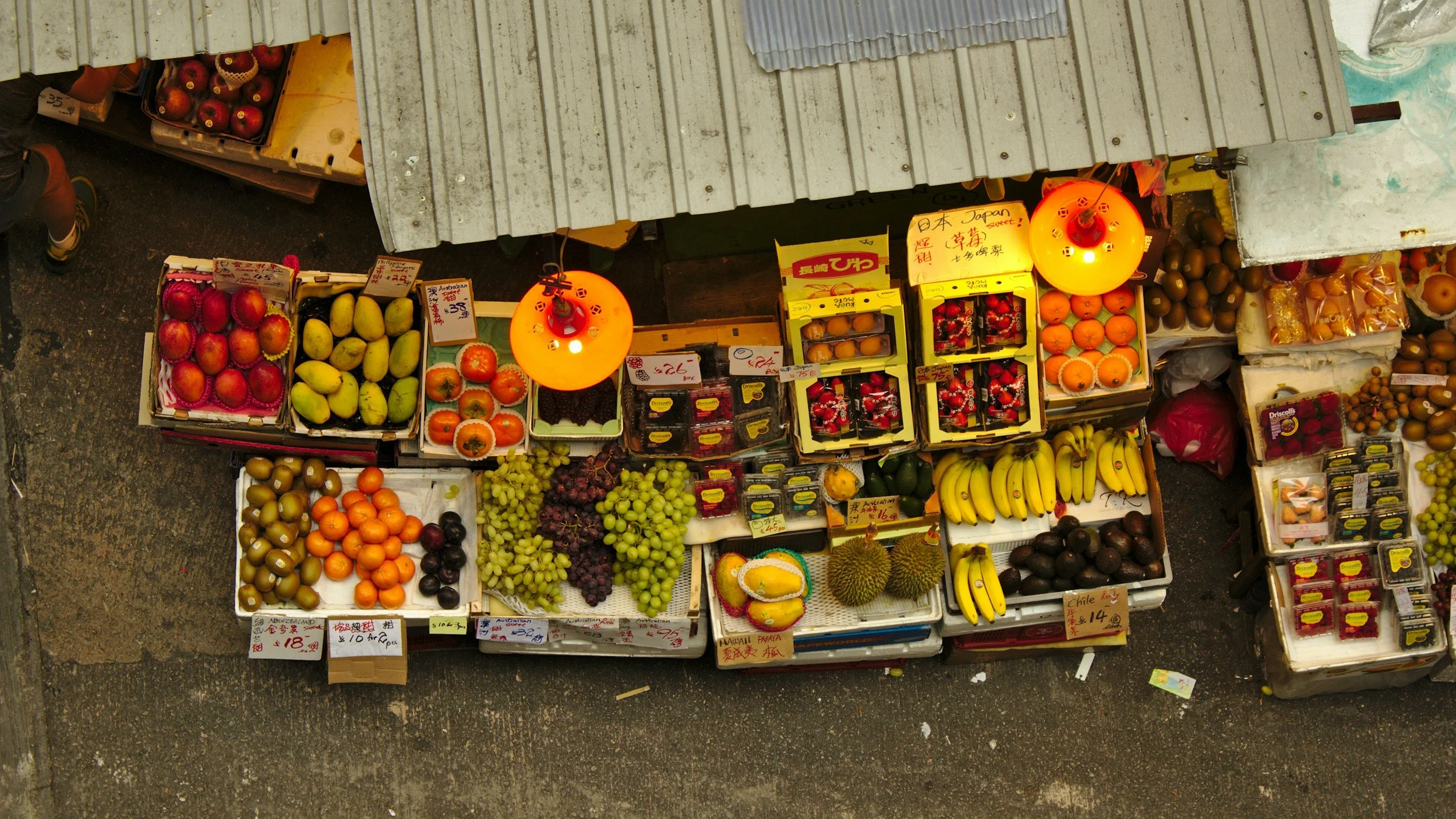
Lauro Palomba's "Climacteric"
‘Climacteric they’re called’
the fruit seller piped up
at Saturday’s farmers’ market
spelling it out for a woman rapt
(his brawny look likely assisting) -
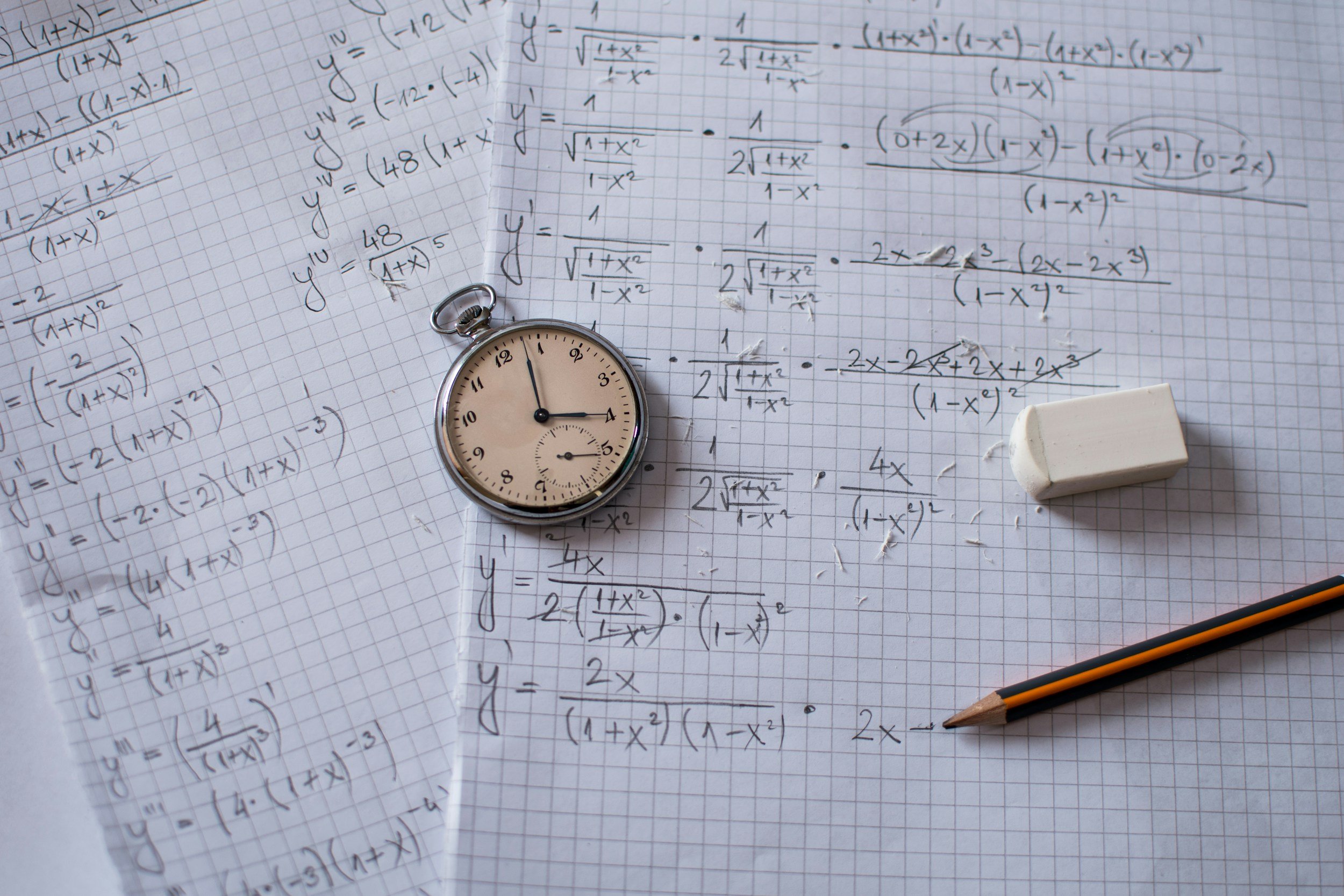
Ismail Yusuf Olumoh's "the arithmetic of the people tested by the man of their ton(gu)e"
question:
a country, a constellation of Narcissus, is led by leaders stifling
its people through empty bellies, destitution, captivity, carnage,
& anguish. -
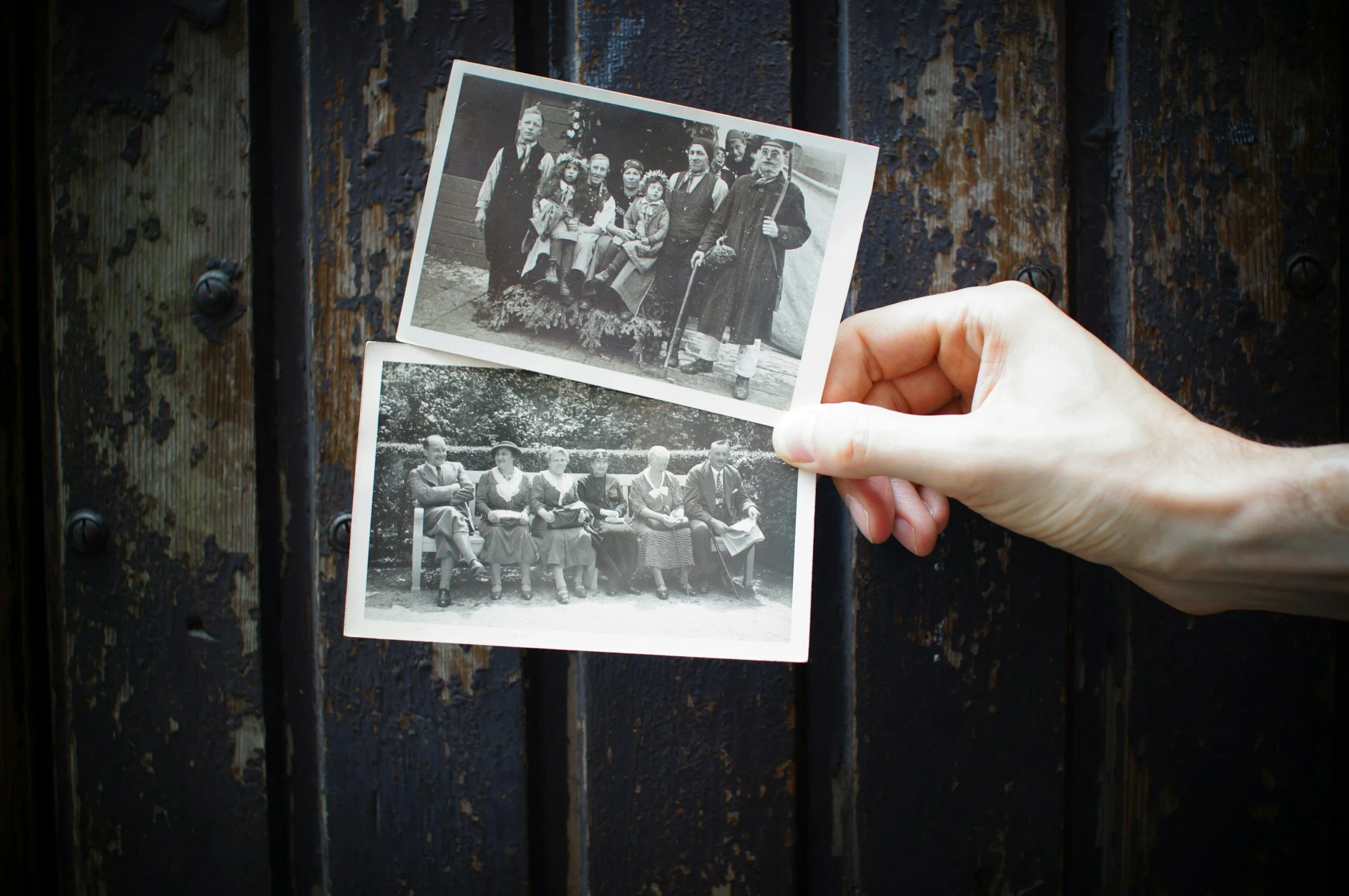
Susanna Rich's "Mumchy's Photoshop"
Blue, blue eyes my Mama had,
Mumchy says, like the sky,
played piano like an angel—
sobbing, adds,
The big flu took her.
Papa died of it in The Great War. -
Micaela Williams' "I HAVE FAILED"
Missing you turns
all sweet things sour.Your acidic absence
singes the tip of my tongue. -

Landon Whitley's "Hiding a Burnt Memory"
You never did discover what popped the tires of your car. Once, you were young, and sweeter than a peach, not yet ripe with a pit that would crack teeth. You turned into a patch of upturned soil that didn’t have a seed.
-
Maisie Williams' "Ouroboros"
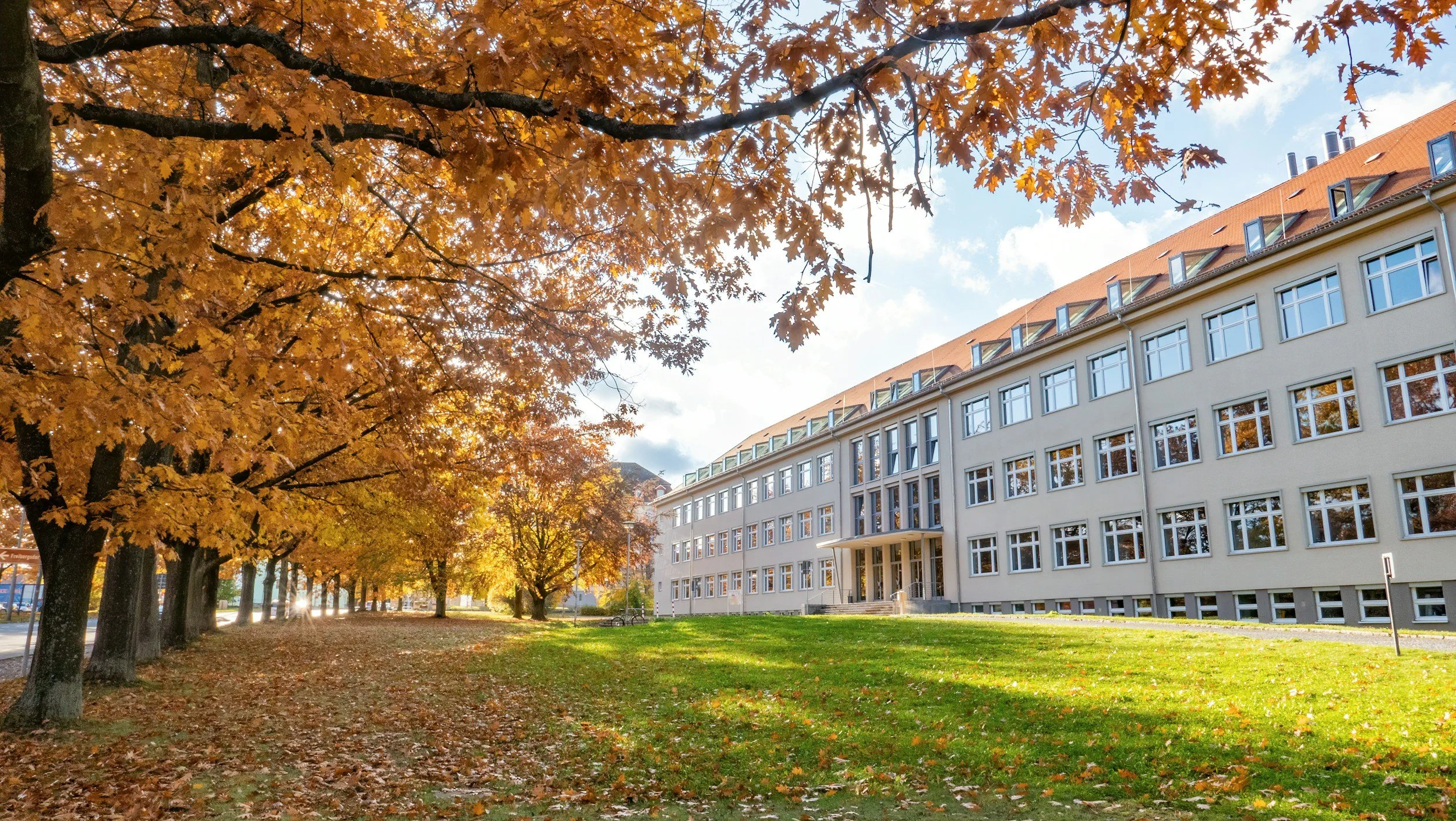
I let you tour the university grounds before you had to leave and catch your train for the airport. I had not visited myself yet, though I had been here a month already. The buildings were brick.
-
Gale Acuff's "I'm Ten Years Old and I Don't Want to Die"
but I have to someday, maybe today
or tomorrow or next week or when I'm
100 but it's going to transpire
and sometimes I wish I'd never been born
if all that happens to me in the end -
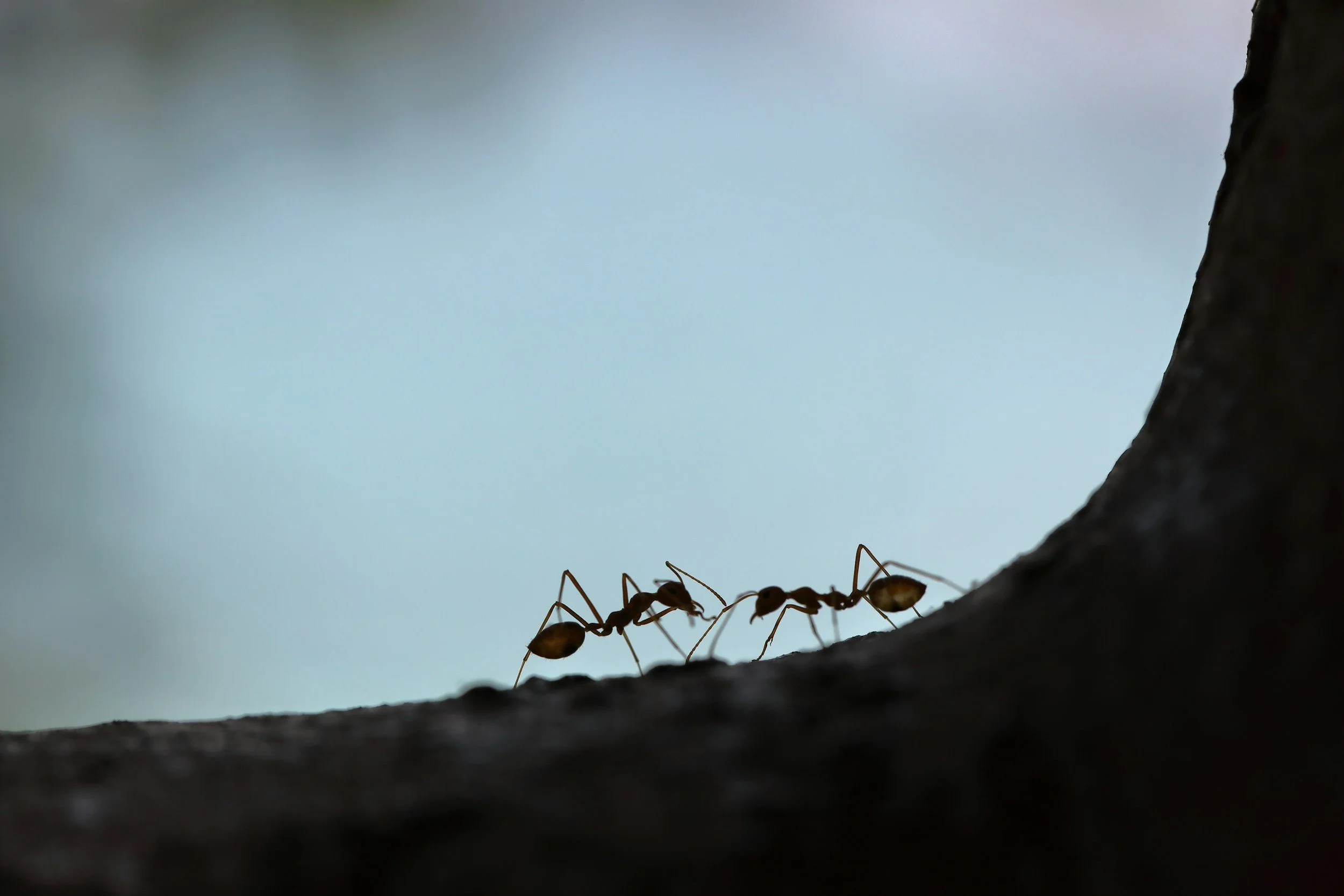
Caleb Jagoda's "Sundry"
Everything has an inner life:
the leaf twisting within wind;
the ant pacing sidewalk; the barista
burning your latte. To despair, they all curl -
Reem Hazboun Tasyakan's "[re]generation"
I have not been born yet or conceived or conceived of but I share my mother’s tale as the weight upon her precludes expression
Yanina. Poland. 1939. Daughter of a prisoner of war.
-
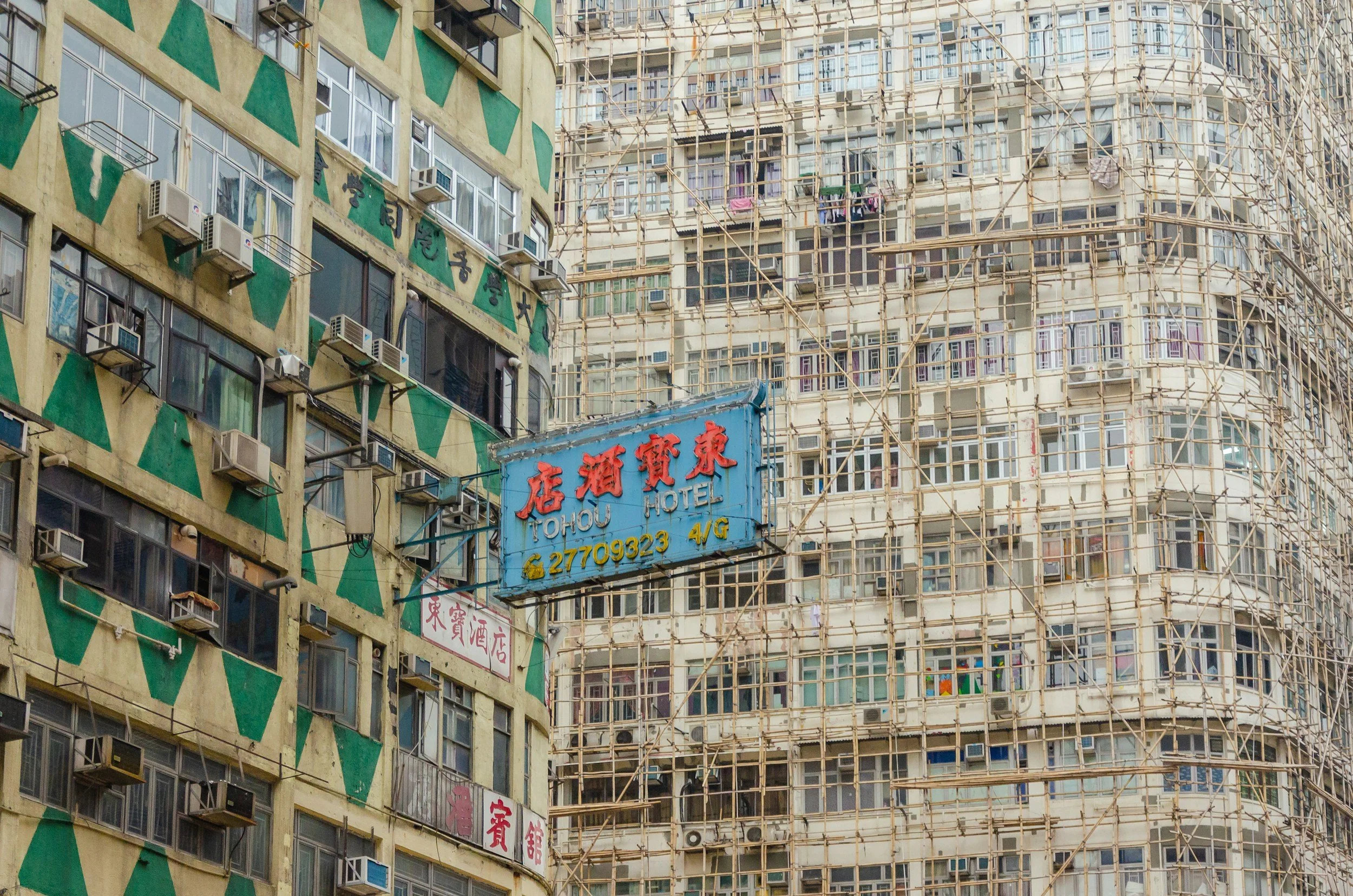
Robert Pfeiffer's "Becoming My Dad"
We made fun of him for decades
because one night after dinner,
he suggested we stay a while
at the table, which had a view
of Kowloon Bay, and the other side -
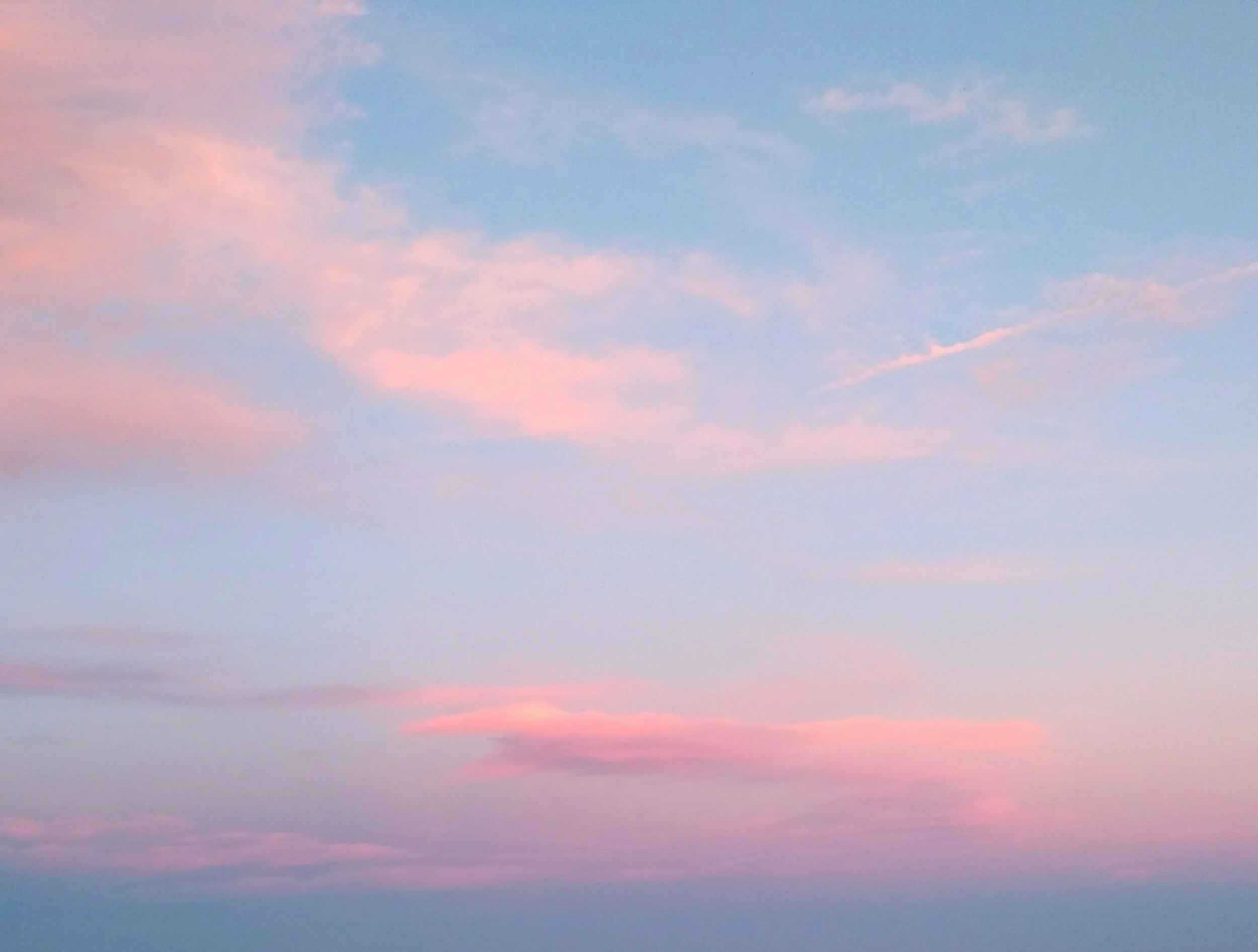
Susan Shea's "Driving the Point Home"
The ordinary became softer
more pink in the clouds
wider open spaces of rolling green -
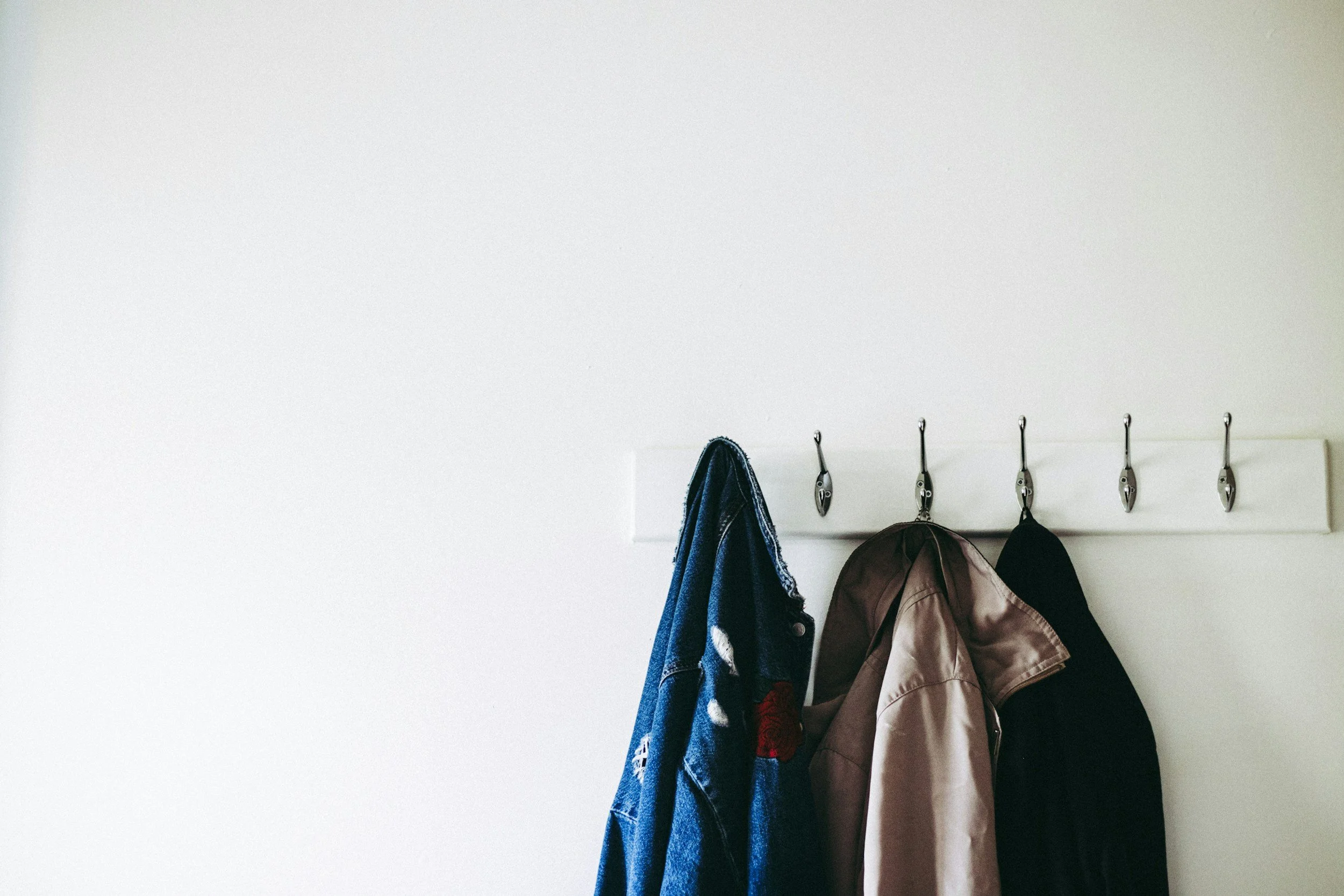
Jay Brecker's "Dear Me"
a fine inlay of her fingers
amid mine palms pressed
together heartline
to heartline lifeline -
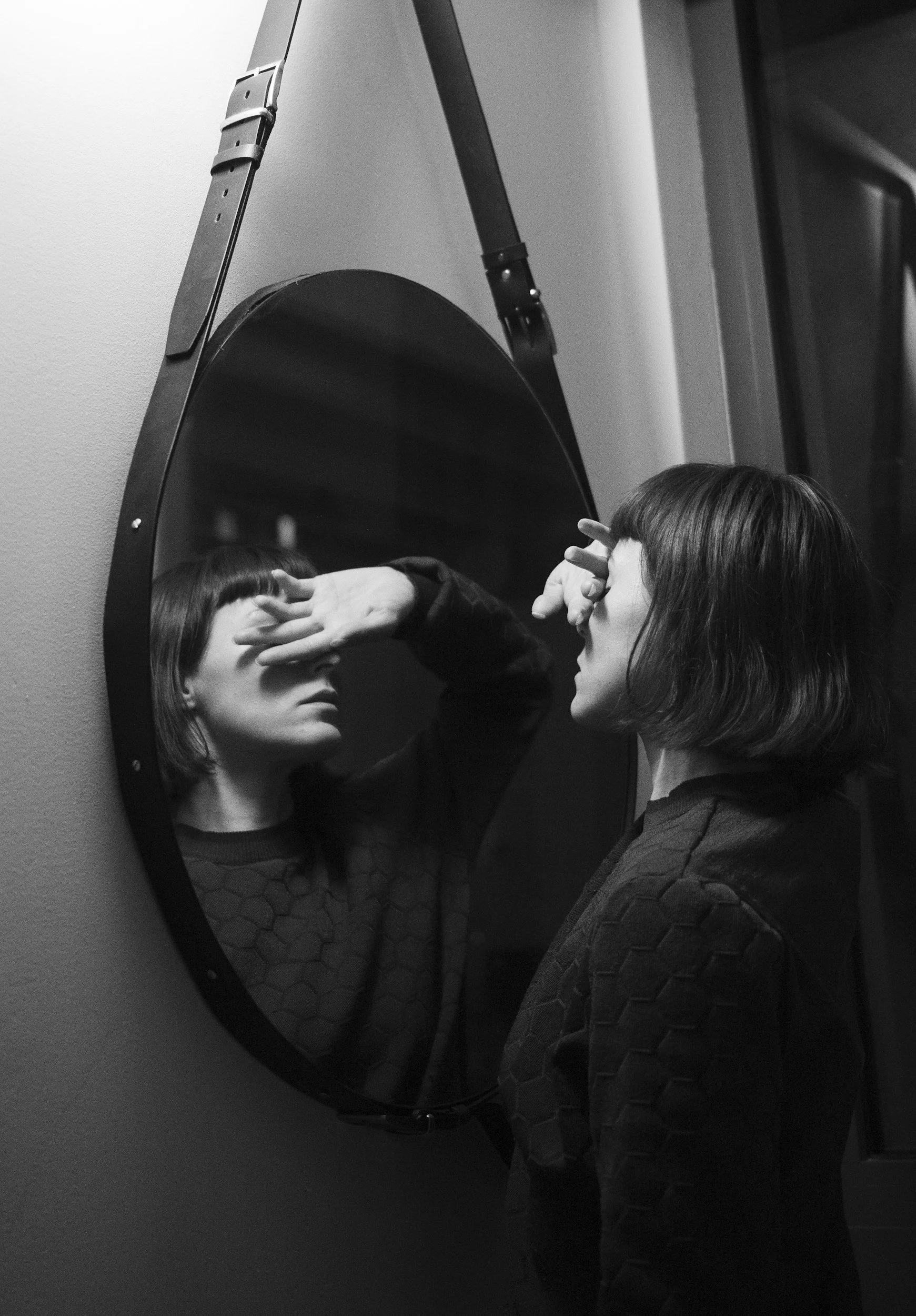
Taylor Light's "Narcissus and my Psychoanalyst"
The precursor to the mirror is the mother.
The seer warned my mother of myself,
As an infant, one discovers love or
how the clearest glimpse of watered self
-
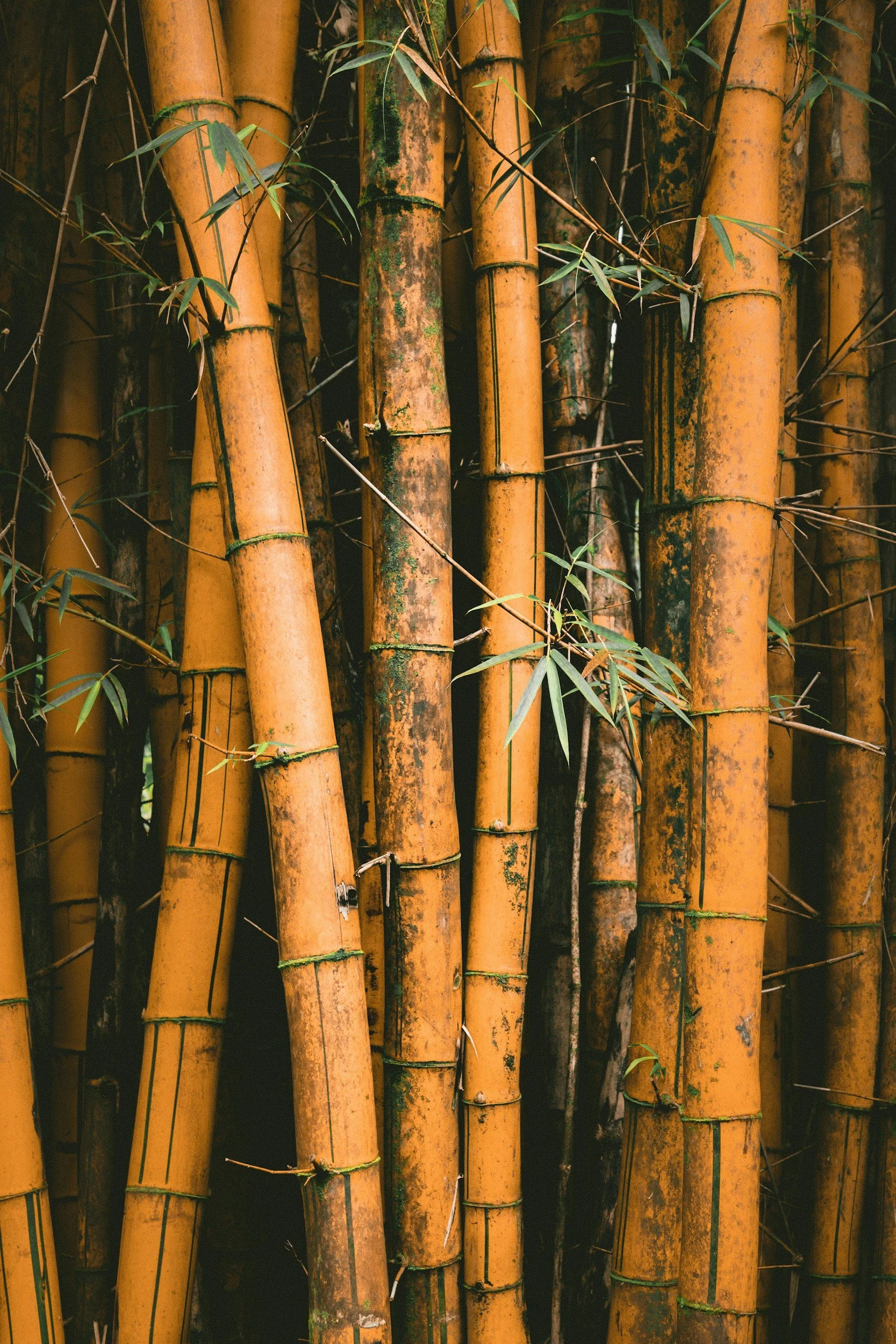
Gabrielle Myers' "The Creek and the Bamboo Forest"
We hid in bamboo forests, thin trunks, boney branches. Translucent leaves caught in our curls. We longed to lose our eight and ten-year-old selves within dense stems, pitch our bullied bodies under leaf litter,
-
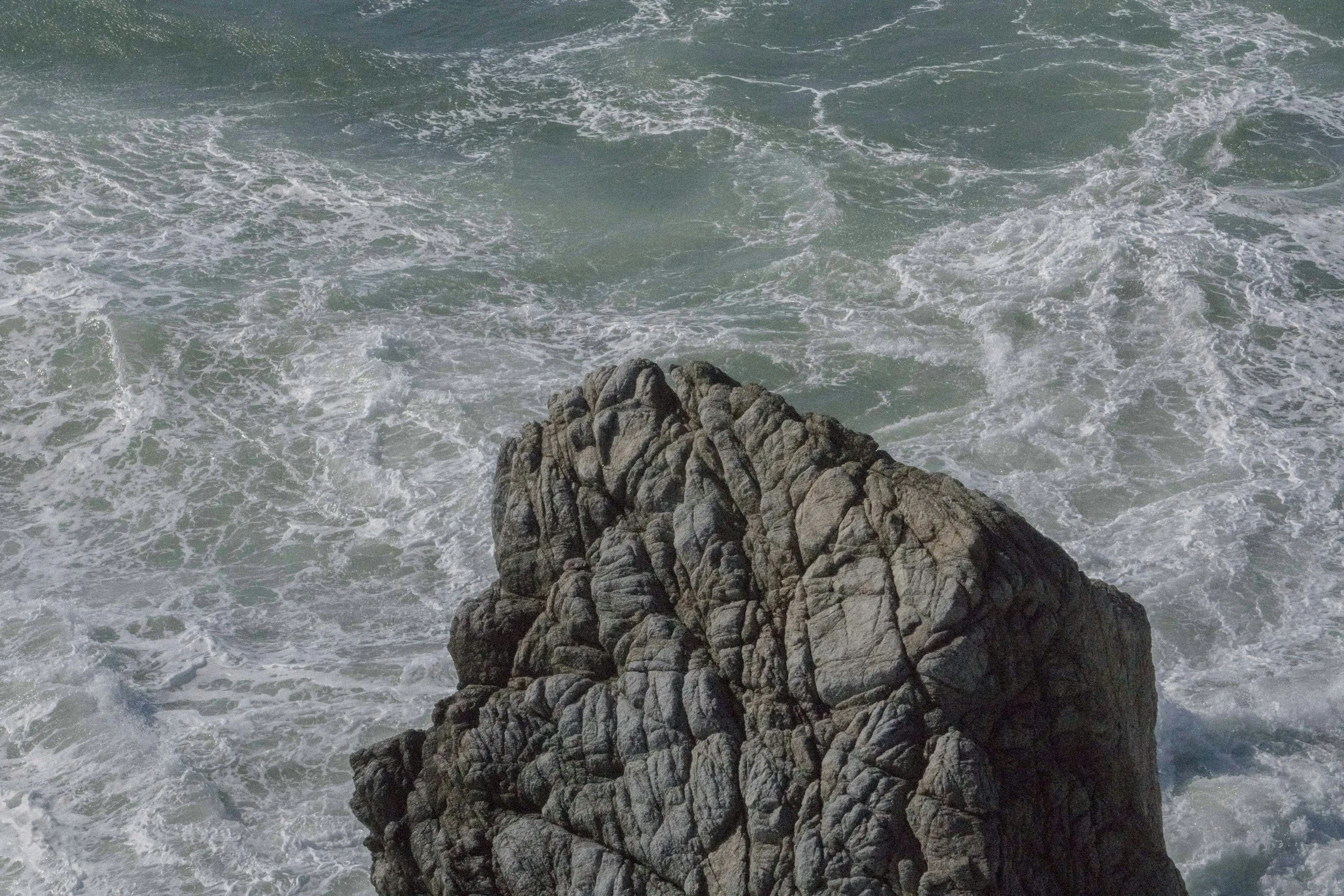
Elizabeth Sylvia's "My Other Life"
My body offers some companion as a rock in the bay tiderises to foot the black cormorant. Saltwater preys on metal and memory. You talked on strength watching planks bent in the steam box,
would only go wharfway among strangers, -
Pamela Annas' "Islands"
From the ocean’s point of view,
an interruption. On Nantucket
where land costs ten million dollars
per acre, the Atlantic laughs
all winter, pounding at the center. -
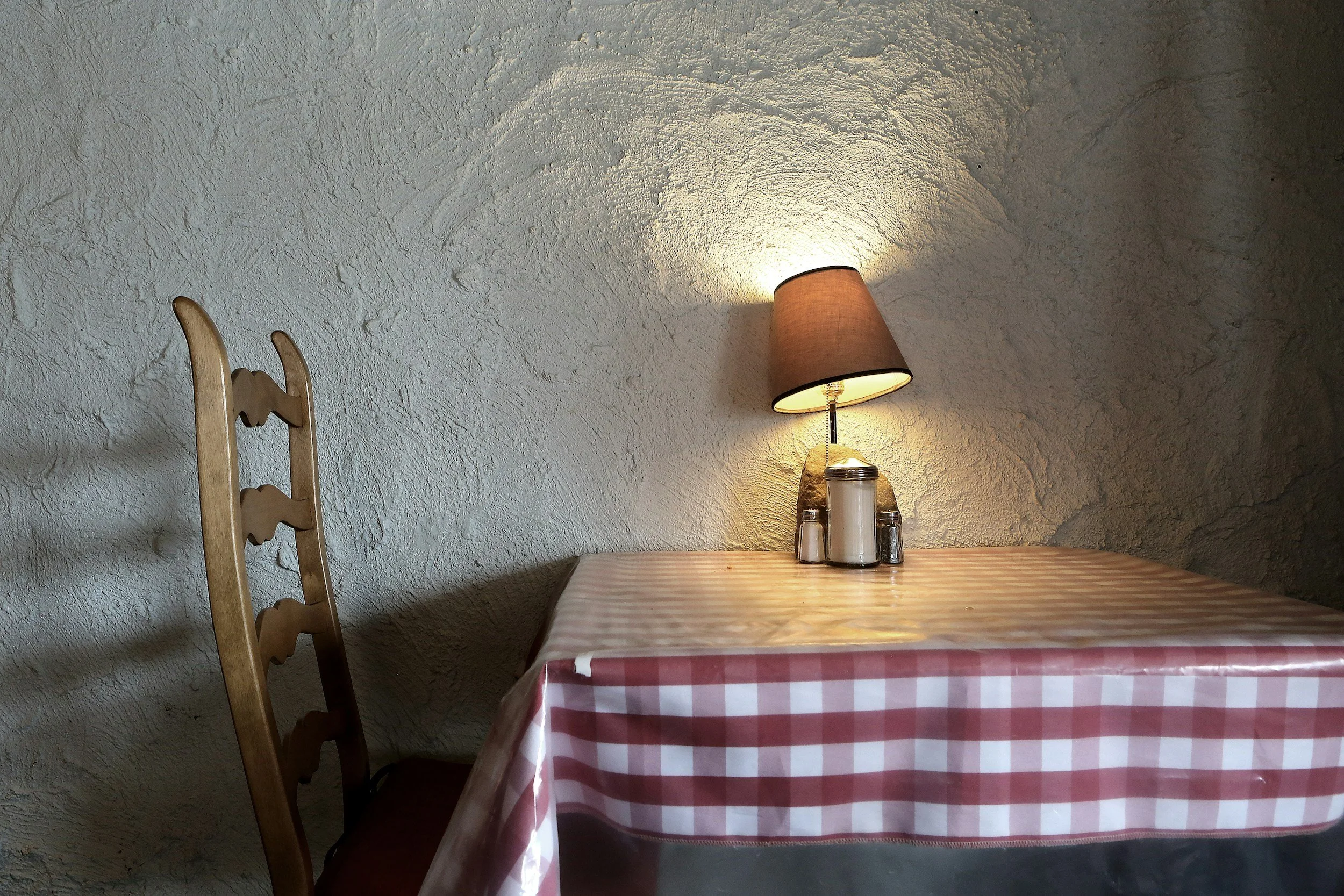
Wally Swist's "The Chair"
I still have your chair
positioned across from me
during meals. The chair
is not a token for you
and your absence but it is
where you actually sat -
Gillian Thomas' "Mother, You're a Boneyard"
and you used to be a Merry-Go-Round of endless words, the looping of horses a blurred cycle gathering me from the dust of a fallen circle;
-
Carolyn Oliver's "Pool"
She did not mean the kind
stumbled upon in a wood, ringedwith bracken, spring-fed savior
of the lost child or mirror
FICTION
-
Timothy Kusterer's "Dad"
Dad lived on about 150 acres of what he called heaven. It was only accessible by taking I-67 for about an hour, until you come to the exit with an old truck stop named Pete’s Gas, and continue on a narrow two-lane for another thirty-forty minutes, before the road suddenly turns to gravel.
-
Terry Sanville's "See Your Own Face"
Bobby always acted weird. In third grade, he sat at a desk next to me. When the street sweeper machine drove down Arrellaga Street on Wednesday mornings, our class would jump up, run to the row of tall windows and wave to its driver – all except Bobby. He would hurry to the opposite side of the classroom and stand in the corner, facing the wall.
-
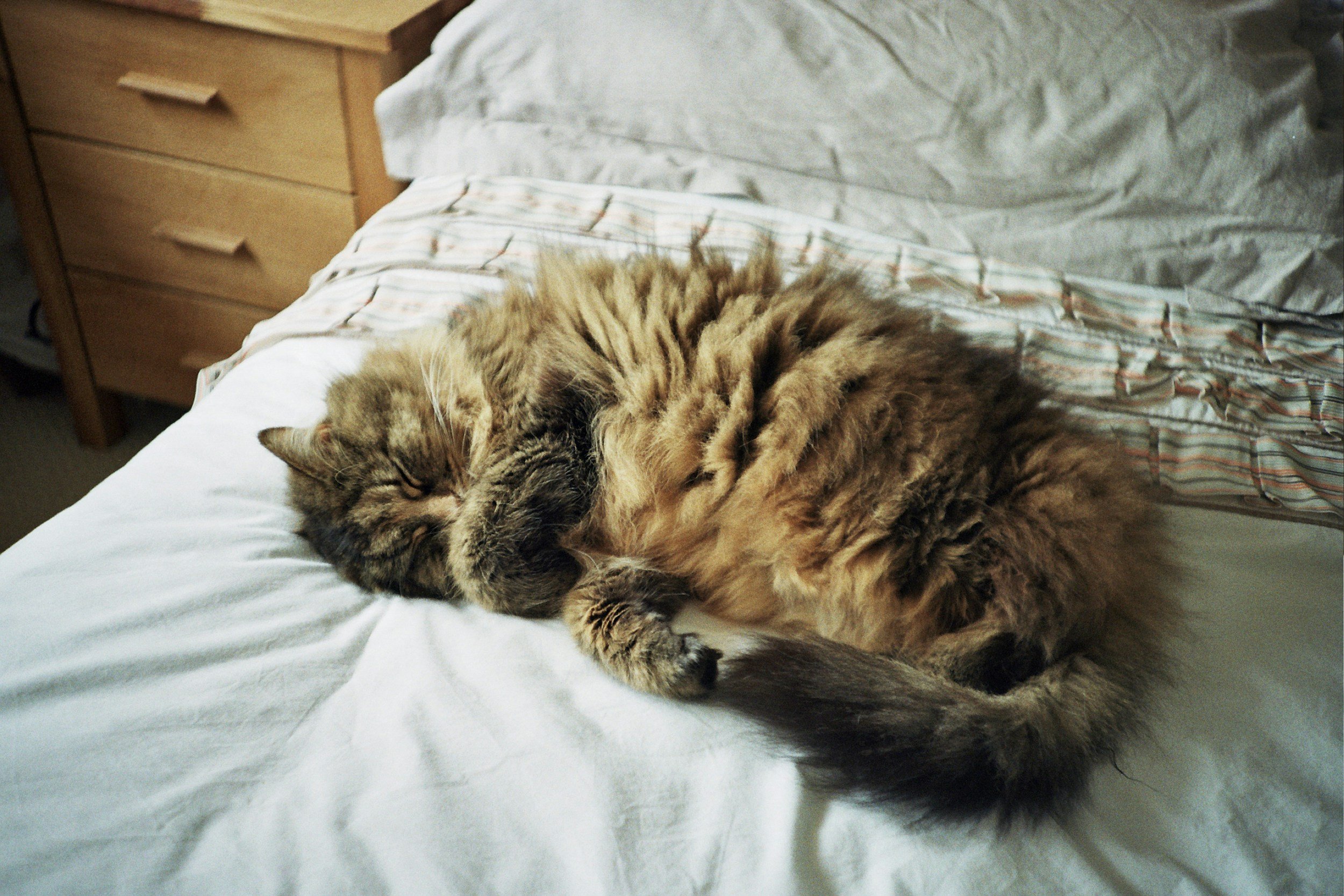
Nandini Bhattacharya's "Homage to Kafka"
My Persian cat is lying in my bed. Let me rephrase. My Persian cat Atossa is lying in my bed impersonating—flawlessly—me. A promising sight. A beautiful thing.
I, on the other hand, am perched on the windowsill. It’s daybreak.
-
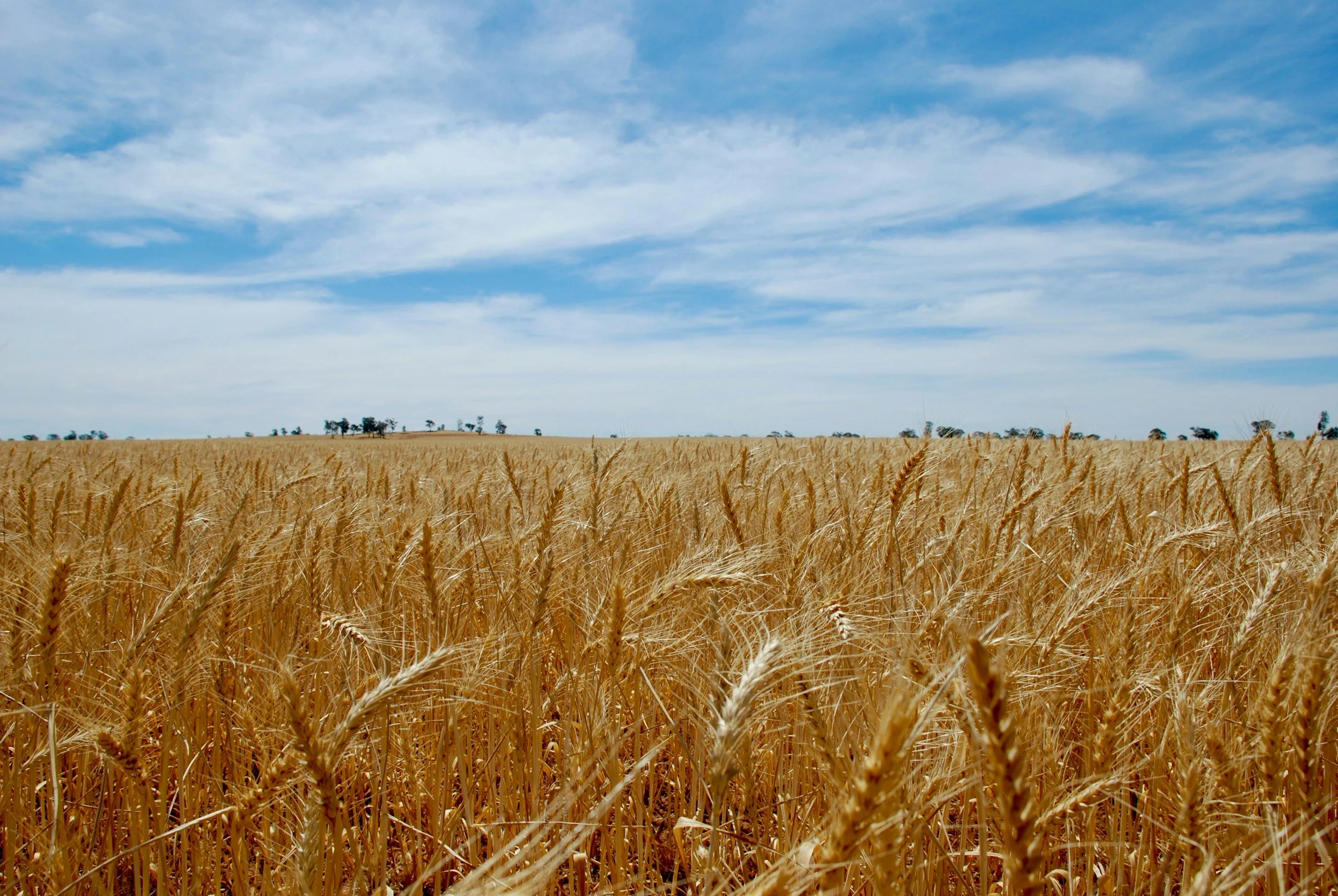
Howard Tseng's "Soldiers"
The golden waves roll in the wheat fields below as I peer at the blue sky shielded from all hostile satellites. In a most advanced jet born in the most secretive way, I cruise through the air of the last bastion insulated from all known types of infiltration. In less than a minute, I will face the enemy pilot one-on-one.
-
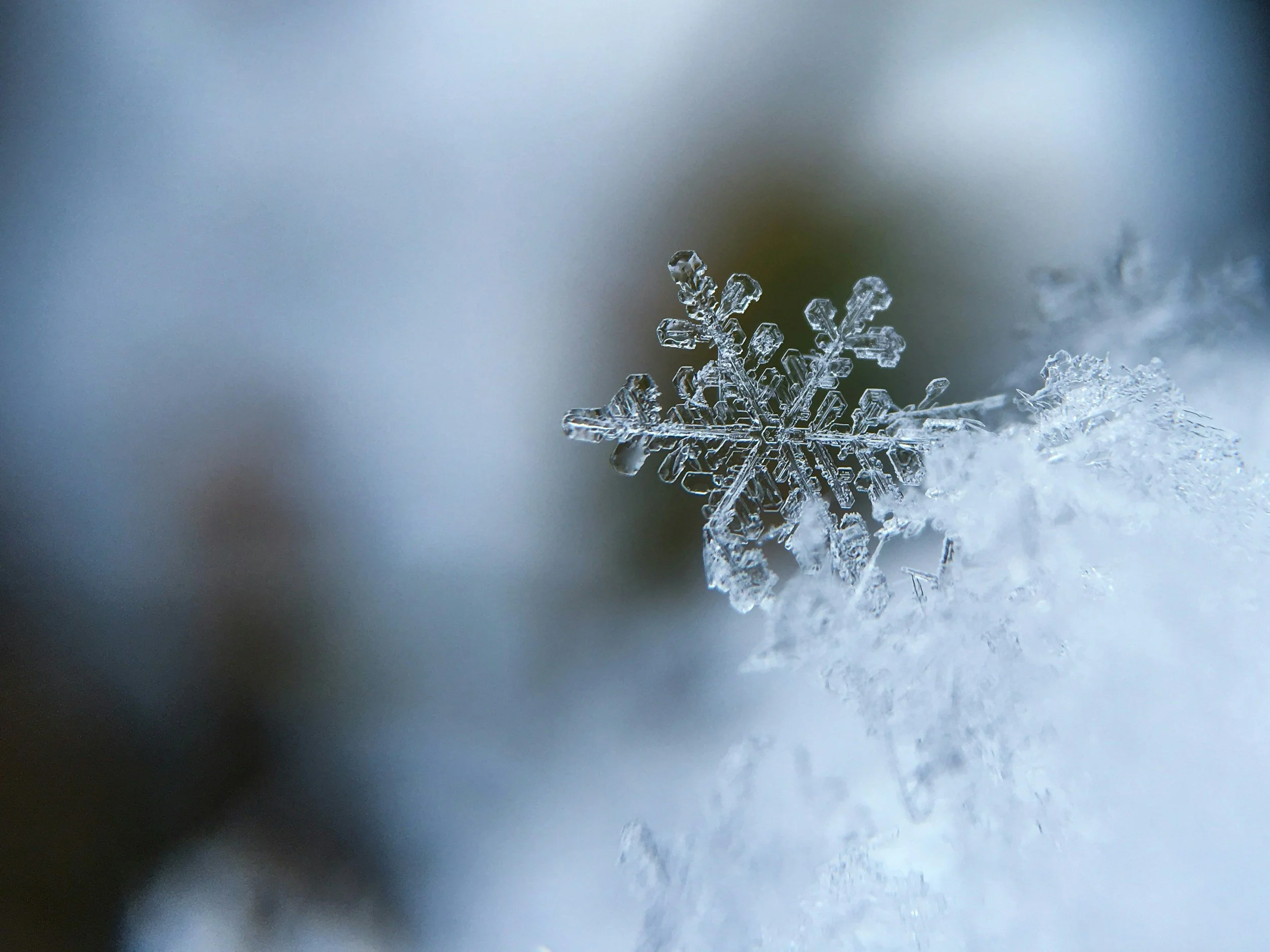
Jason Thornberry's "Snow Day"
She opens her eyes, half in the blankets, listening to the passage of heavy feet pass overhead. Rising and moving toward the bathroom, she braces the wall with one hand, passing a scarred wooden dresser. The photos lie flat there, in a half-circle, like playing cards. She stops.
-
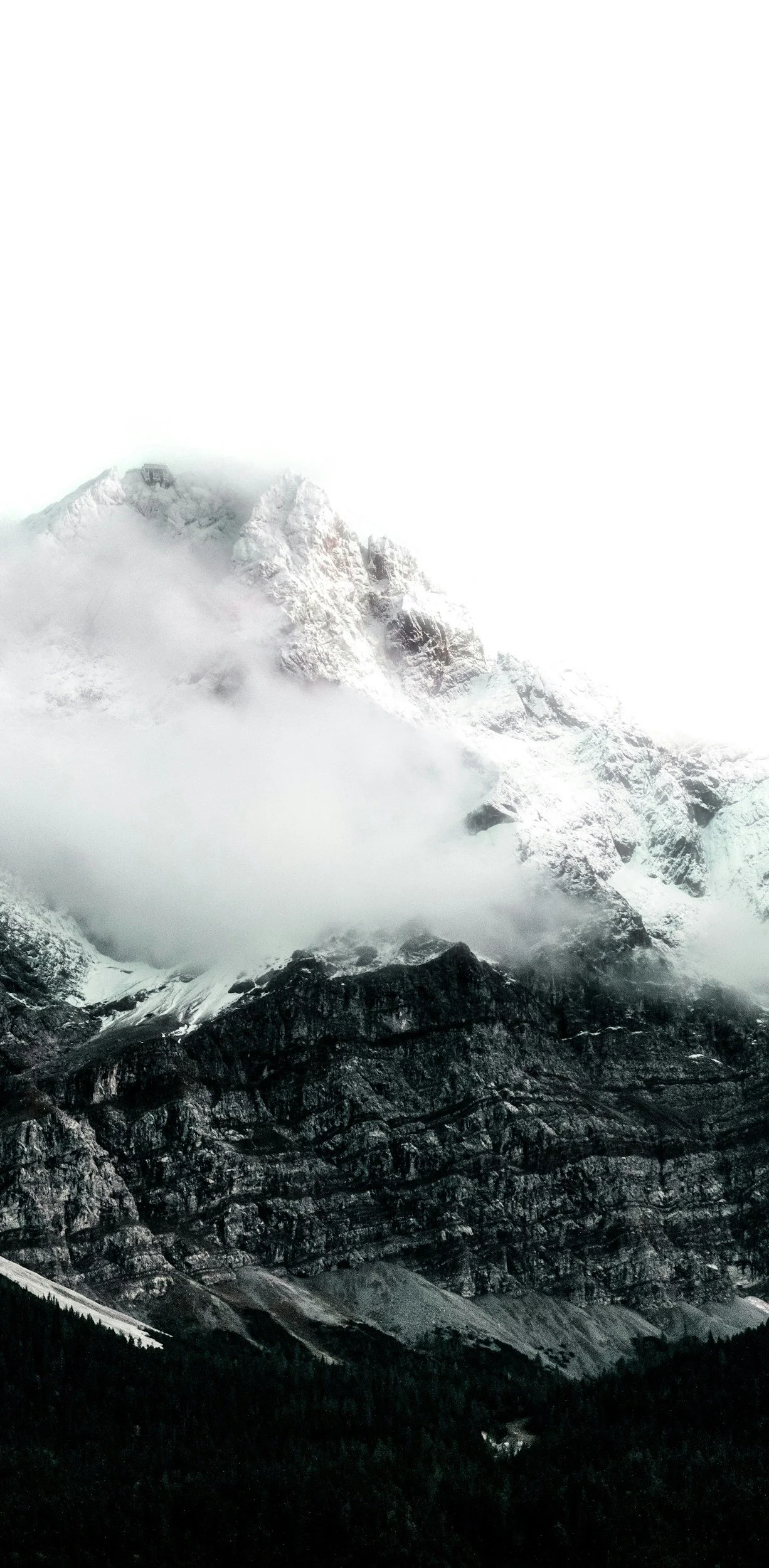
Mika Seifert's "Avalanche"
When I turned thirty, I sold my place on the lake and moved to the mountains. To the Upper Engadine, that is, still the swiftest, surest way to Everness.
My friends and acquaintances were incredulous, my parents crestfallen.
-
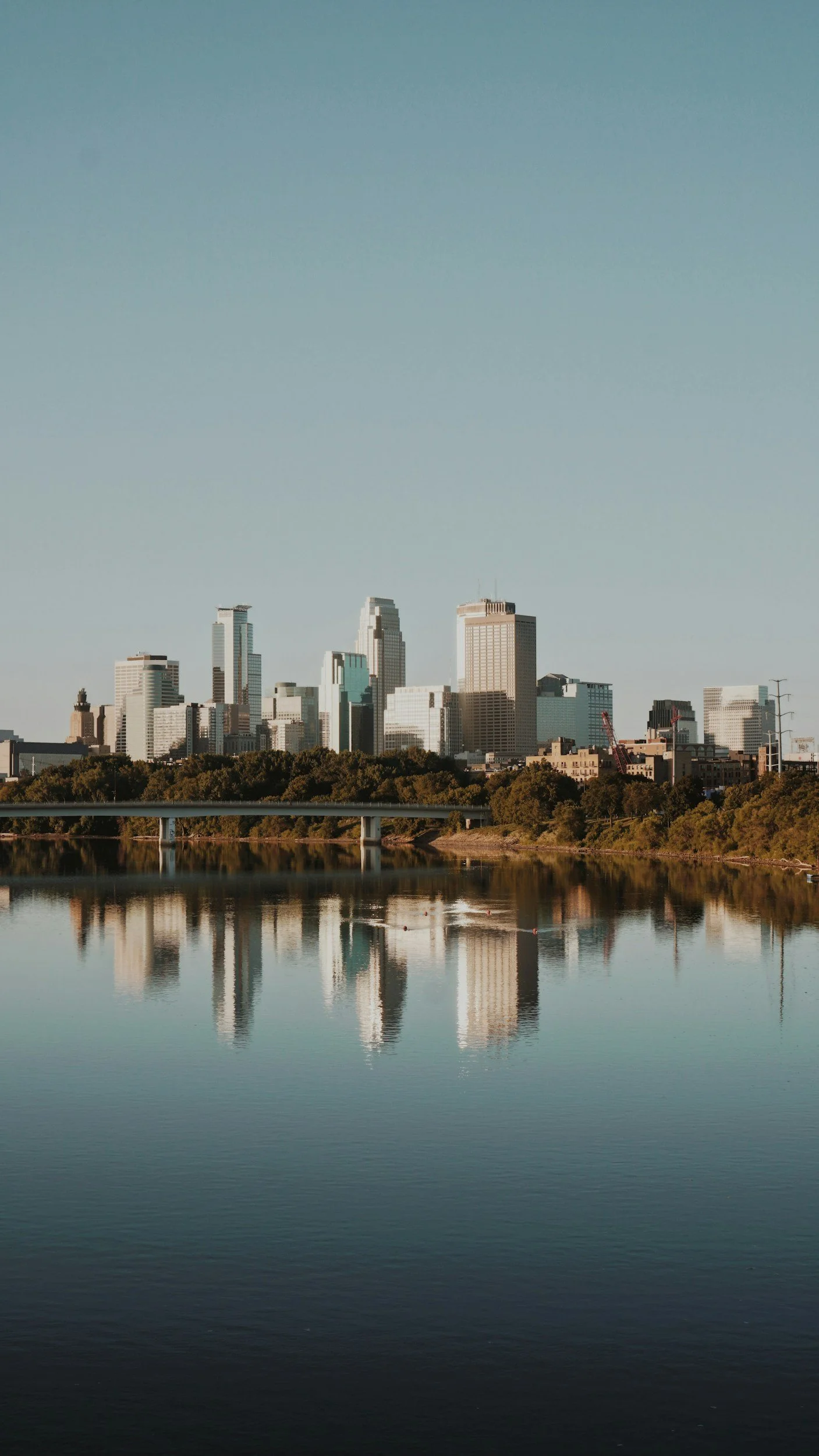
Zach Keali'i Murphy's "The River is a Mirror"
I could see myself in my grandfather’s eyes. We stood on the east side of the Mississippi River, gazing out as the city’s skyline reflected upon the rippling waters. I’d always thought the river was a place that was full of secrets. It harbors them, and then it carries them away.
-
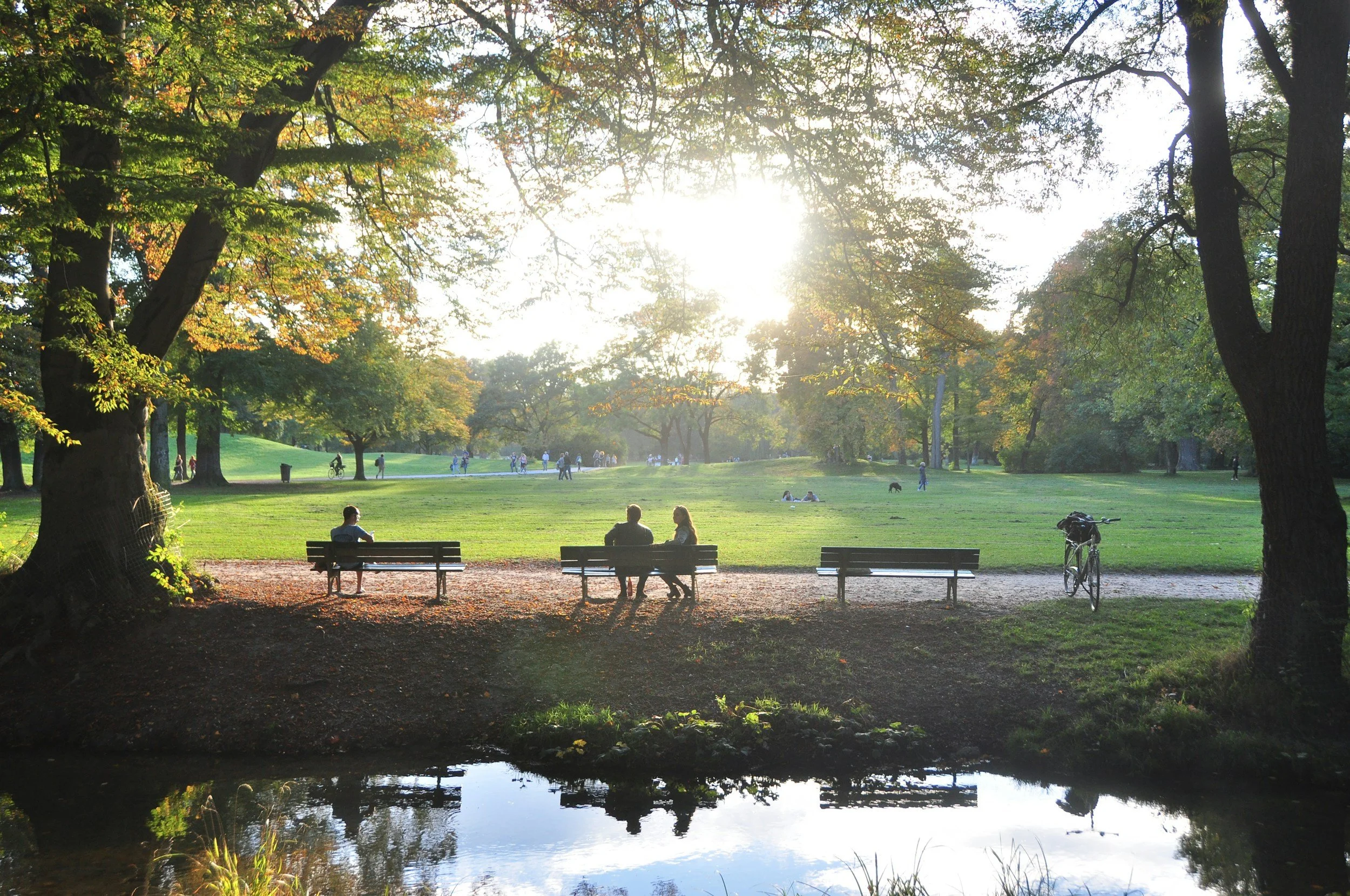
Samuel Rafael Barber's "Poetry Machine"
No one can be sure of when, exactly, the man with the machine was first spotted on his favored park bench (or the circumstances of his arrival, for that matter) because no one can remember. In those days the sun rose and the sun set. The sun set and the sun rose. One day we knew nothing about the man or his machine.
ART
-
![]()
Elaine Verdill
Reflection V
-
![]()
Roger Camp
Untitled
-
![]()
Eliza Henne
Self-portrait as Bloom/Bleed
-
![]()
Wiley Conley
Reflections of My Brothers
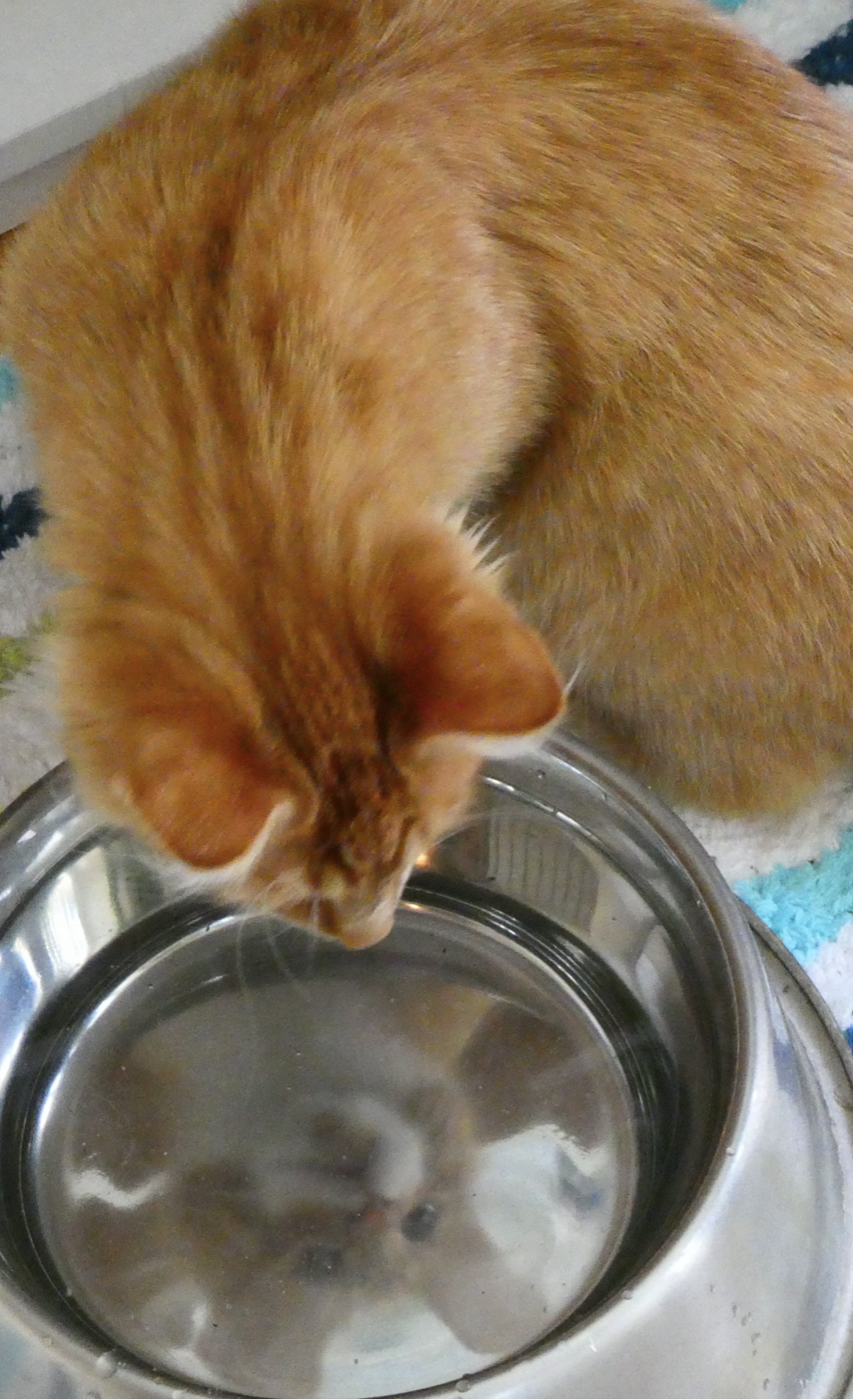
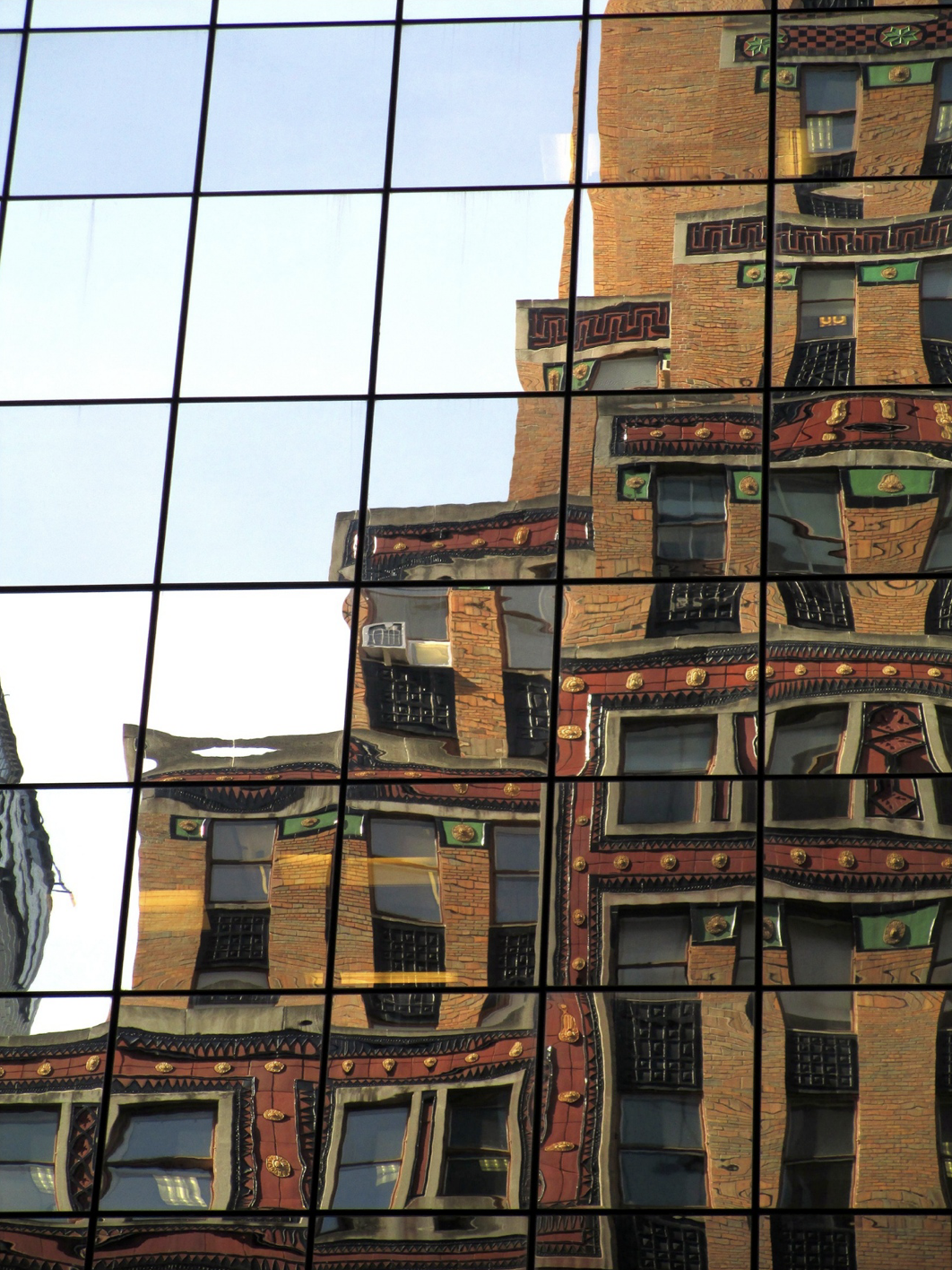

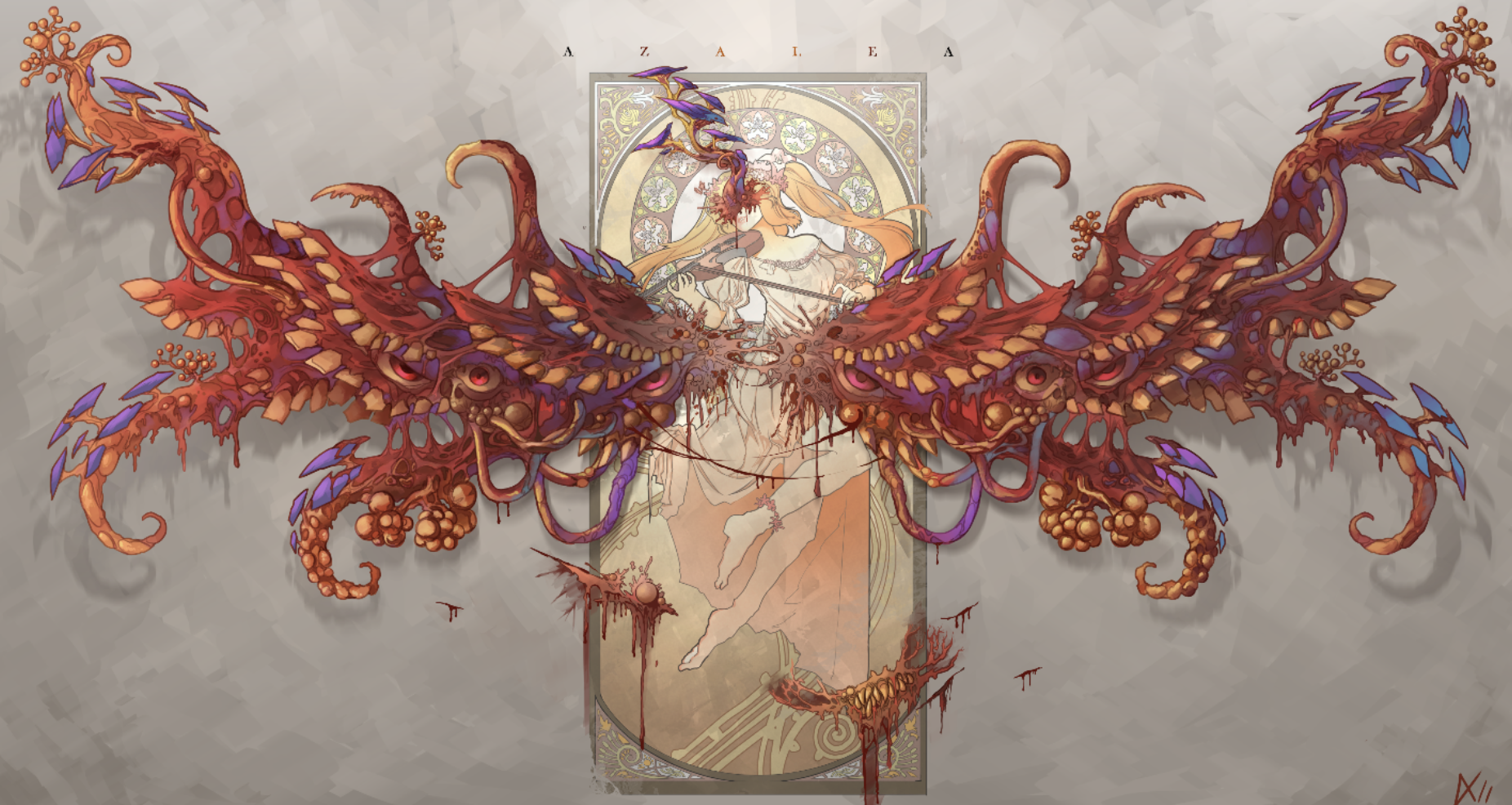
Xibin Zhang
Azalea